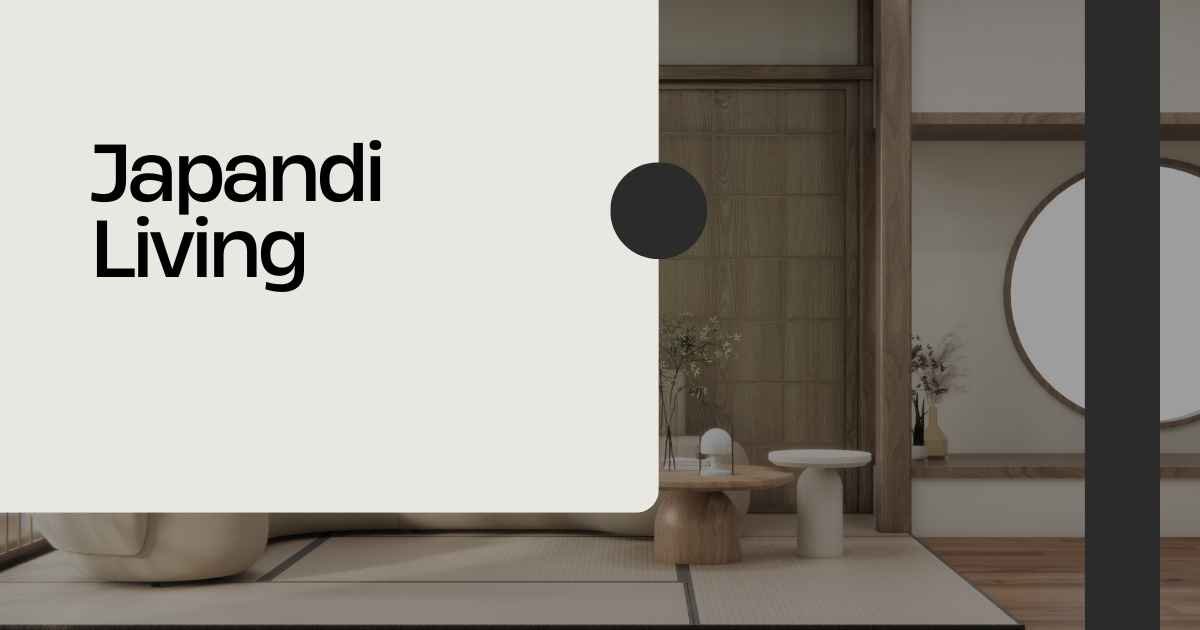
Japandi looks effortless in every Pinterest photo, but the price tags behind those rooms rarely appear. A single walnut coffee table can cost more than a month’s rent. Most japandi guides treat the style like a shopping list of luxury pieces instead of a design language you can speak on a shoestring.
Here’s the honest answer. Japandi living room ideas on a budget work when you focus on three things: a warm neutral palette, natural materials in thrifted or affordable form, and ruthless decluttering. New furniture isn’t the answer. Smarter choices about what you already own, paired with a few thoughtful swaps under $50 each, will do more than a big-ticket purchase. This guide walks through the exact swaps, the layout fixes, and the one mistake I see in almost every budget japandi attempt (Section 5 covers it).
Key takeaways:
- Japandi mixes Japanese wabi-sabi with Scandinavian warmth using natural wood, linen, and off-white tones.
- A budget japandi living room needs roughly 60% neutral base, 30% wood or texture, 10% dark accent.
- Swap harsh cool-white bulbs for warm 2700K ones first: this single change reads more japandi than most furniture upgrades.
- Thrift stores and Facebook Marketplace beat retailers for solid wood pieces at a fraction of the price.
- Decluttering surfaces gives you the japandi look before you buy anything.
What makes a living room feel japandi?
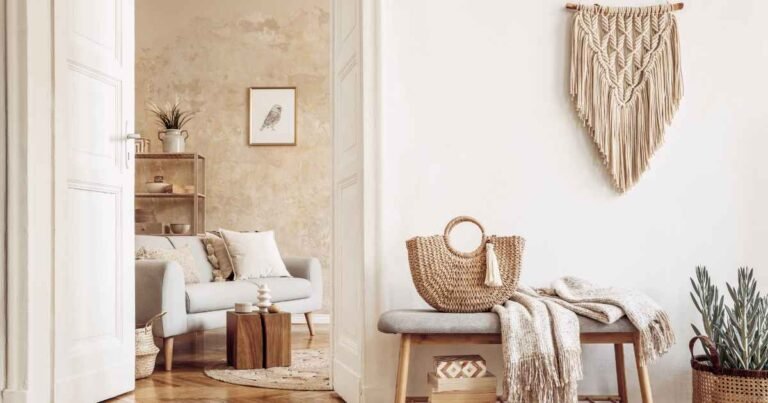
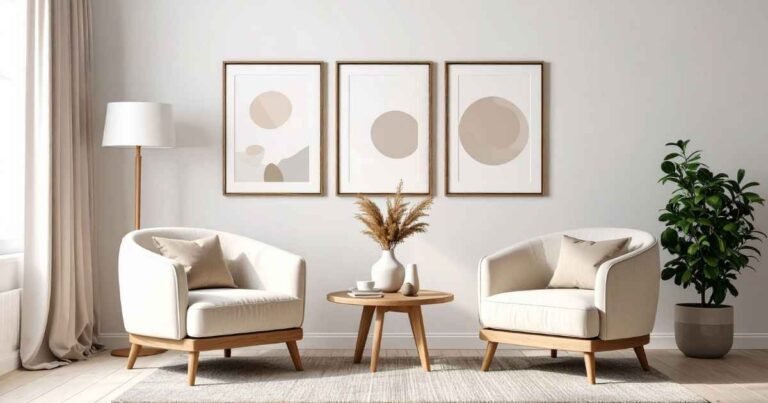
Japandi is the shared ground between Japanese wabi-sabi and Scandinavian hygge. A japandi living room feels calm because of three visible traits: warm neutral colors on walls and large surfaces, natural materials like oak, linen, and ceramic, and clean floor space with almost no clutter. Everything else is optional.
The three visual anchors
- Warm neutrals on the largest surfaces (walls, sofa, rug)
- Natural texture in mid-size pieces (wood, linen, jute, ceramic)
- Empty space on floors and surfaces
That’s the entire recipe. If you can read the japandi style as three anchors instead of a hundred products, the shopping list shrinks fast.
Why budget doesn’t hurt this style
Japandi rewards restraint. A stripped room with one linen throw can look more japandi than a room stuffed with designer pieces. You’re subtracting more than adding, and subtraction is free.
11 japandi living room ideas on a budget
These ideas work in most rentals and small homes with no drilling required. Each one is either free or under $60. Do them in order for the strongest effect. The full set below runs about $200 to $300 depending on what you already own.
1. Start with the light bulbs, not the furniture
Cool-white bulbs kill japandi instantly. The style needs warm, low-glare light around 2700K–3000K, similar to what the Energy Star lighting guide recommends for cozy living areas. Swap every visible bulb in the room, including under-shelf strips. A four-pack of warm LEDs runs under $15 in most countries. This one change reads more japandi than a $400 side table.
2. Pull furniture 4 to 8 inches off the walls
Rooms that hug the walls look like waiting areas. A small gap between the sofa back and the wall softens the whole layout and lets a floor lamp or trailing plant slip behind. You spend nothing here. It’s a Saturday morning of rearranging.
3. Anchor the space with a low-pile neutral rug
Skip the deep-pile shag. Look for jute, wool, or flat-woven cotton in oatmeal, warm beige, or muted greige. Size 5×7 or 6×9 works for most small living room layouts. Facebook Marketplace and clearance sections at big-box stores regularly list options under $80.
4. Add one thrifted solid-wood piece
A single real-wood coffee table, stool, or side table shifts the room’s whole character. Skip veneer and MDF. The grain has to be visible. Estate sales and thrift shops routinely have oak, teak, and pine pieces for $20 to $60. Sand and oil takes an afternoon.
5. Layer linen or cotton throws over what you already own
A pilling velvet sofa or a plain IKEA slipcover looks japandi the moment you drape a stone-washed linen throw across it. Stick to off-white, warm sand, or soft charcoal. Two throws are enough. Skip patterned throws entirely, since they fight the calm.
6. Group small items in odd numbers
Japandi styling follows quiet rules: threes and fives, never sixes. Cluster three ceramic vessels, five books, three candles. Even numbers feel commercial. Odd numbers feel considered. This costs nothing and works with objects you already own.
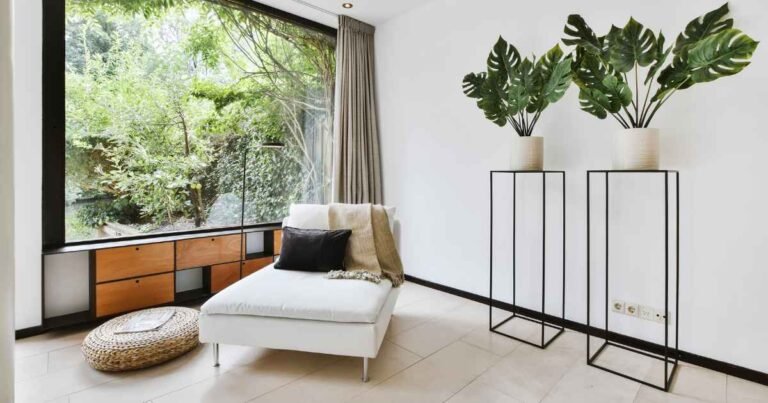
7. Add one tall plant, not five small ones
One olive tree, fiddle leaf, or dracaena in a floor corner does more work than a shelf of tiny pots. Real plants under $40 exist at most hardware stores. Good faux versions under $60 also pass, so long as the leaves are matte, never glossy plastic. Skip planters with words printed on them.
8. Switch to paper or rice-paper light shades
The paper globe pendant is the classic japandi lighting move for a reason: it’s cheap, it diffuses light beautifully, and it reads as both Japanese and Scandinavian. IKEA sells them under $10. Hang one over the coffee table at chin height when standing.
9. Replace hardware on any storage piece
The fastest way to japandi-fy an old dresser, media unit, or console is to swap the metal knobs for round wood, ceramic, or leather pulls. A six-pack of wood knobs runs under $15. Pair with a light sand-and-refinish if the piece is dark laminate. This is a classic DIY update that pays back on the same day.
10. Leave one wall completely empty
Every japandi room has breathing space. Pick your longest wall and leave it bare. No gallery wall, no shelves, no clock. Empty wall space isn’t laziness. It’s a design choice that lets everything else feel intentional.
11. Add one low ceramic vessel, no flowers
A wide matte ceramic bowl or vase on the coffee table finishes the room. Skip the cut flowers. Leave it empty, or add one branch of eucalyptus or dried pampas grass. Thrift shops sell hand-thrown pieces for $3 to $12. Never buy a matched set.
Budget breakdown: what to spend where
Splitting a small budget across the wrong items is the reason most budget japandi attempts stall halfway. Spend roughly 40% on soft goods, 30% on wood or storage pieces, 20% on lighting, and 10% on ceramics and small styling. This spread lines up with what your eye actually notices first when it enters the room.
Where to put each dollar
| Budget Tier | Priority Buys | What to Skip |
|---|---|---|
| Under $50 | Warm bulbs, one linen throw, ceramic vessel | Rugs, furniture |
| $50–150 | Add jute rug, floor plant, hardware swaps | New sofa, framed art |
| $150–300 | Thrifted solid-wood piece, paper pendant | Anything trendy |
| Over $300 | Real wood side table or bench, quality wool rug | Fast-furniture sets |
Pro tip: Cheap decorative accessories drain a budget without moving the room. A $9 candle here, a $15 tray there, a $22 print. Small tickets add up to $150 with almost no visible payoff. Set an accessories cap early — $30 total is enough.
The 3-layer japandi budget method
Real budget japandi rooms come together in a specific order I call the 3-Layer Method: swap, strip, soften. Swap what’s harsh. Strip what’s cluttered. Soften what’s cold. Work in that sequence and the room shifts on the same day, not over months of shopping.
Layer 1 — Swap
Change any element with the wrong energy first: cool-white bulbs, black metal frames, chrome hardware, glossy plastic. These pull the room in the opposite direction of japandi, so they quietly cost you every other decision.
Layer 2 — Strip
Clear every horizontal surface. Coffee table, side tables, TV console, floor. Put everything in a box for one week. Only bring back items you genuinely reach for. This step usually removes 60–70% of what was on display.
Layer 3 — Soften
Now add texture: one plant, one linen throw, one ceramic vessel, one wood object. Four things. That’s the whole styling layer, and it’s where layered decor earns its keep.
Mini case study: my $214 rental living room
I redid my 11×14 rental living room over one weekend. Warm bulbs ($15), a jute 5×7 rug from Marketplace ($60), a thrifted teak side table ($35), two linen throws ($42), an olive tree ($52), and a hand-thrown bowl ($10) came to $214. The sofa stayed. The overhead light fixture stayed. The wall paint stayed. The room looked completely different by Sunday night, and the biggest single shift came from the bulb swap in Layer 1, before I spent another dollar.
Common budget japandi mistakes to avoid
Most budget japandi rooms fail from the same handful of shortcuts. Fake plants that look plastic, too many mini decor items, cool paint colors that go blue in daylight, and matched furniture sets are the four repeat offenders. Each has a specific fix.
Mistake 1: Too much small stuff
The style rewards subtraction. If you catch yourself buying a fourth candle or a second small tray, stop and put half of what’s already on your coffee table into storage instead. The fix: the 3-item rule for any surface, applied strictly for one full week before you judge the result.
Mistake 2: Cool gray paint
Cool grays turn blue under afternoon light and read hospital, not japandi. The fix: warm off-whites, greige, or soft mushroom tones. Rental workaround: hang a large linen curtain flat against the wall on a tension rod to cover the cold color.
Mistake 3: Matched furniture sets
A three-piece “japandi set” from a fast-furniture retailer looks staged and dead. The fix: mix pieces from different woods and eras. One teak side table plus one pine bench plus one ceramic stool beats any matched trio.
The two questions readers ask most
Won’t cheap japandi just look empty and sad? Only if you strip without softening. Empty is the goal for surfaces, not for texture. A stripped room with one wool throw, one jute rug, and one plant reads calm and considered. A stripped room with none of those reads unfinished.
Can I do this in a rental without painting or drilling? Yes. Every idea in this guide works with no drilling and no paint. The bulb swap, the throws, the rug, the plant, the ceramic vessel, and the furniture rearrange all reverse cleanly at move-out.
FAQs
What colors work best for a budget japandi living room? Warm off-white, oatmeal, greige, soft mushroom, and muted charcoal form the base. Add wood tones (light oak or warm walnut) and one deep accent like matte black or terracotta. Skip cool grays, bright whites, and any pastel. A tight palette actually makes a small budget look intentional.
Is japandi cheaper than Scandinavian or Japanese design alone? Japandi is usually cheaper because it needs fewer pieces. Scandinavian style often relies on specific designer furniture, and pure Japanese interiors need custom joinery. Japandi hides its cost inside styling choices (warm light, empty space, texture) that don’t require premium purchases at all.
What’s the single cheapest way to make a room feel more japandi? Change your light bulbs to warm 2700K LEDs, then clear every coffee table and shelf surface. Total cost: about $15. This combination shifts the whole mood before you buy a single new piece. Everything else in this guide amplifies that starting point.
Do I need real wood furniture for the japandi look? No, but you need at least one piece with visible natural wood grain. It can be small (a stool, a tray, a picture frame), and it can be thrifted for under $20. The rest of your furniture can stay upholstered or laminate as long as one real-wood element grounds the room.
Can I mix japandi with existing modern furniture? Yes. Modern lines already share DNA with japandi. Keep your low-profile sofa or platform bed and add japandi through soft textures, warm light, and one wood piece. Trouble comes only if your existing furniture is high-gloss or overly ornate, in which case a linen slipcover fixes most of it.
Bringing it together
Budget japandi isn’t about finding cheaper versions of expensive pieces. It’s about editing what you already own, then adding four or five carefully chosen items in the right order. Swap first. Strip second. Soften last.
Pick one idea from this guide and do it tonight. The bulb swap costs $15 and takes five minutes, and it’s the change that makes every later decision easier. For deeper category-by-category guides on small spaces, budget makeovers, and interior style breakdowns, HomeDecorIdeas covers each of these across the site.
Get ready to discover something new—our latest home features are packed with eye-opening moments.