
-
How Modular Lounges Maximise Living Space in Modern Homes
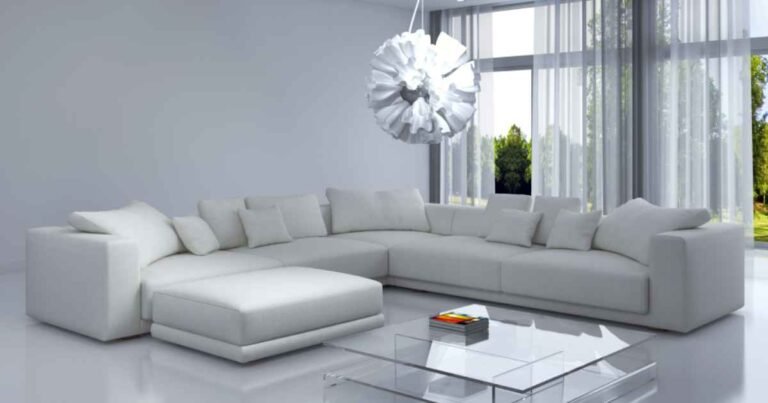
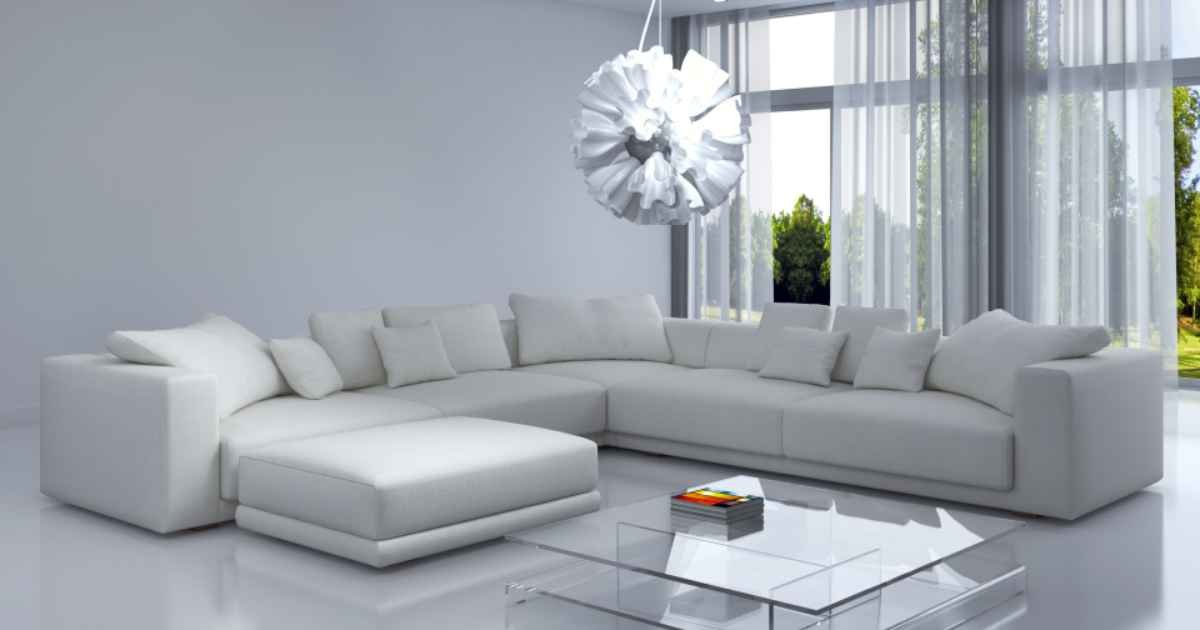
Making the most of available space is a common priority in modern homes, particularly where living rooms need to serve several purposes. A modular lounge…


Browse Home Decor Ideas by Category
Every category is built out with room-by-room and problem-by-problem guides. Tap into whichever one fits the space you’re working on.
Interior Design
Styles, layouts & principles
→Rooms
Living, bed, dining & office
→Decor
Wall, shelf & table styling
→Furniture
Buying guides & sizing
→Kitchen
Storage, style & layout
→Bathroom
Shelving, essentials & style
→DIY
Renter-safe projects
→Outdoor & Garden
Porches, patios & plants
→Seasonal
Spring to winter styling
→Buying Guides
No-fluff product picks
→
-
How Modular Lounges Maximise Living Space in Modern Homes
Making the most of available space is a common priority in modern homes, particularly where living rooms need to serve several purposes. A modular lounge can provide a practical seating solution without making the room feel unnecessarily crowded. Its flexible…
HOME DECOR IDEAS — PAINT CALCULATOR
Enter your room dimensions and find out exactly how much paint to buy — no more guessing, no more half-empty cans left in the garage.
You’ll Need
Estimates assume 1 gallon covers ~350 sq ft per coat. Textured walls, deep colour changes, or porous surfaces may need more. Always round up — a little extra beats a mid-project store run.
-
How Modular Lounges Maximise Living Space in Modern Homes
Making the most of available space is a common priority in modern homes, particularly where living rooms need to serve several purposes. A modular lounge…
-
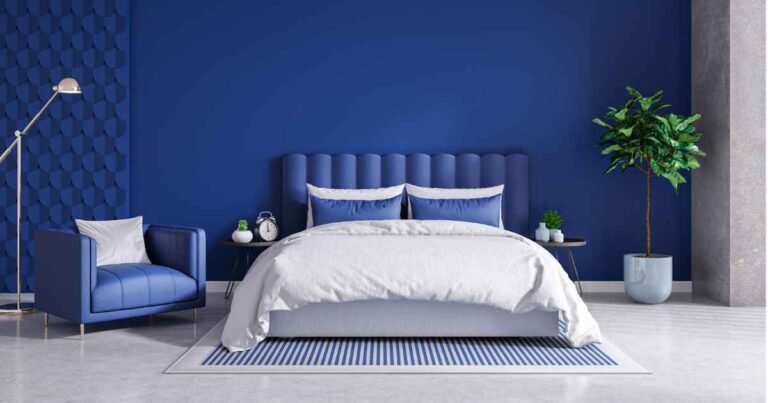
Dark Blue Bedroom Decorating Ideas: 11 ways to get it right
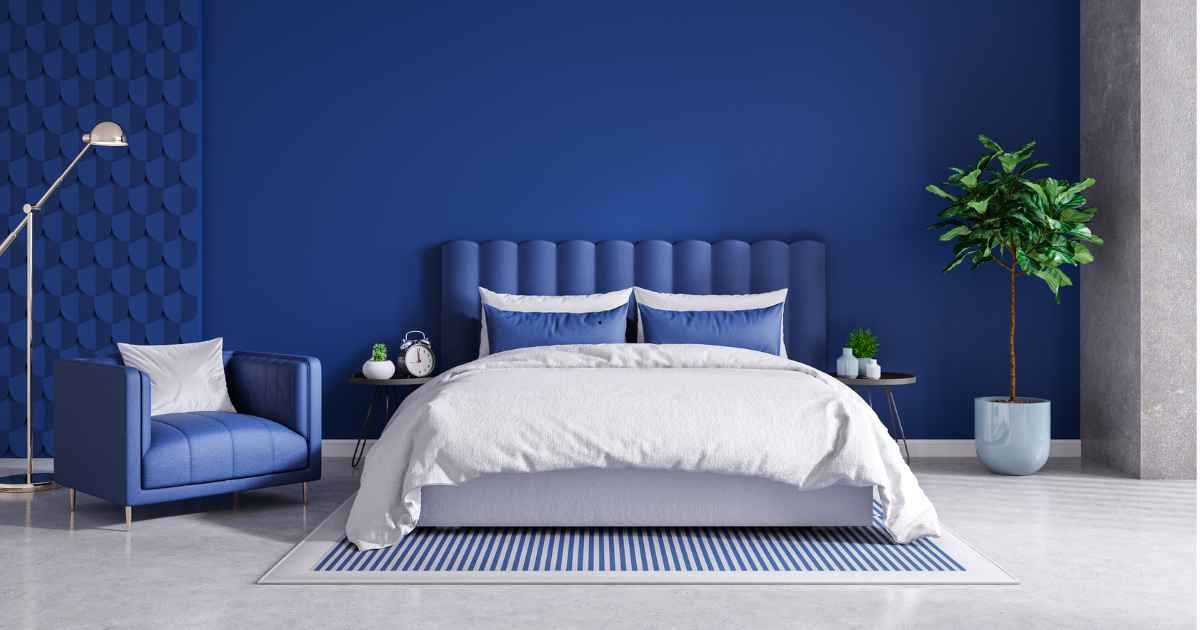
Dark blue is one of the most misunderstood colours in bedroom decorating. Most people avoid it — worried the room will feel smaller — or…
-
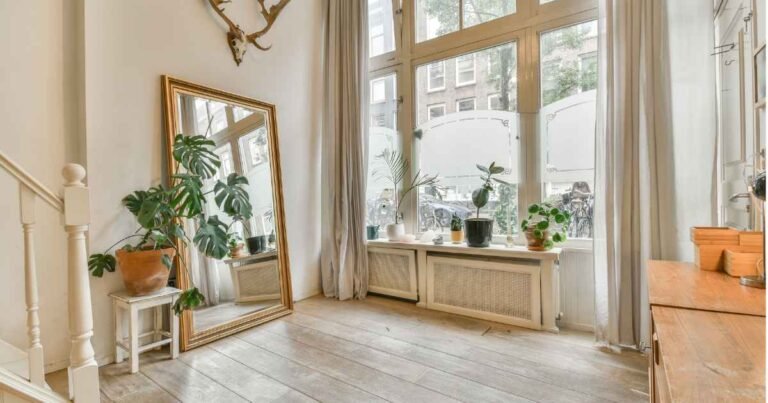
Silver 100 Year Old Antique Table Lamps for Home Decor
Adding a genuine antique to modern decor is one of the few moves that instantly makes a room feel collected rather than curated. Silver 100…
-
Lake House Home Decor: 13 Ideas That Feel Like Home
Most lake house decor online looks like it came from a themed gift shop. Painted wooden signs that say “Lake Life.” Anchors on rooms with…
-
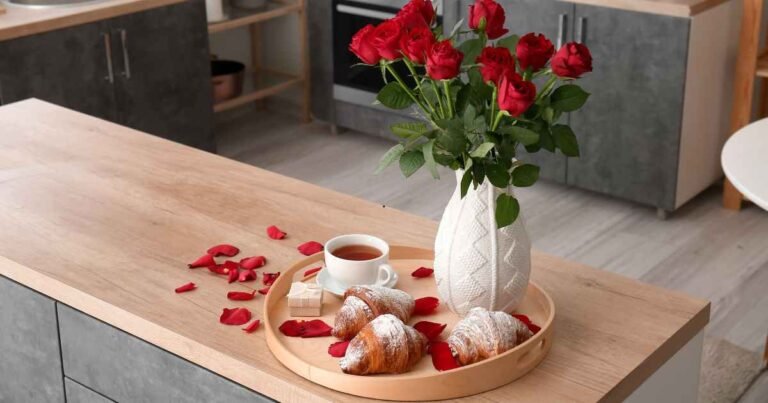
Decorative Tray for Kitchen Counter: 11 Styling Ideas
Kitchen counters collect chaos. A stray oil bottle here, a random coffee mug there, three spice jars that never made it back to the cupboard….
-
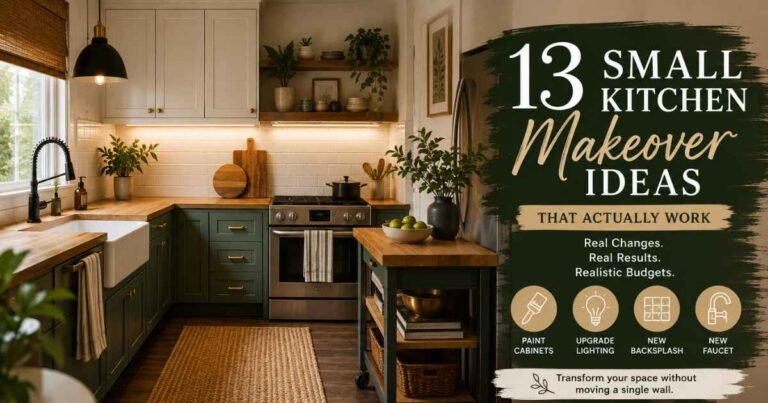
Small Kitchen Makeover Ideas: 13 Smart Fixes That Work
Small kitchen makeover advice usually falls into two camps: expensive full remodels needing a contractor and $30,000, or fluffy “add a plant” lists that don’t…
-
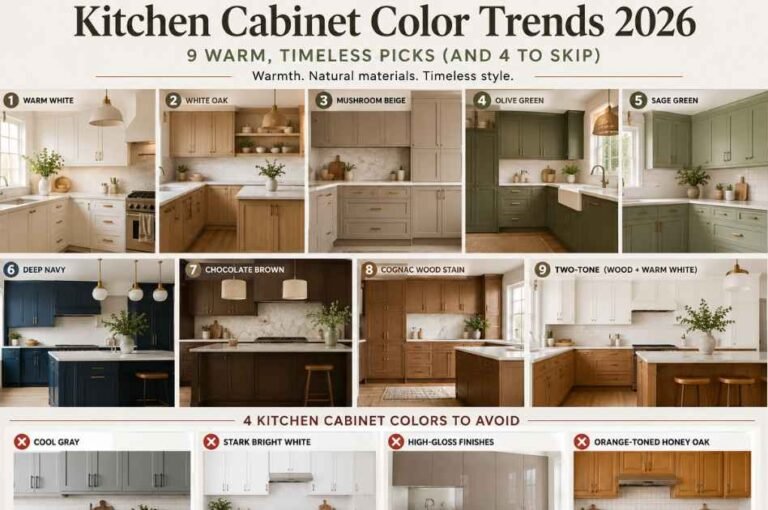
Kitchen Cabinet Color Trends 2026: 9 Warm, Timeless Picks
Cabinet color is the most expensive decorating decision most homeowners make. Get it wrong and you’re staring at $8,000 of paint or millwork every morning…
-
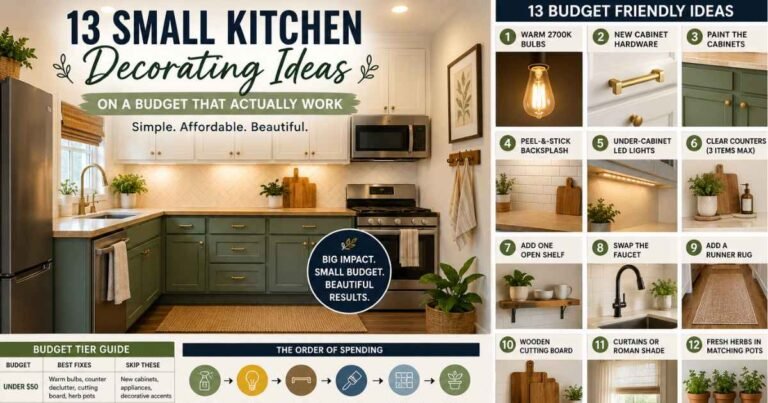
Small Kitchen Decorating Ideas on a Budget: 13 Smart Fixes
Most budget decor advice for small kitchens reads like it was written by someone who has never opened a rental cabinet. You get told to…
-
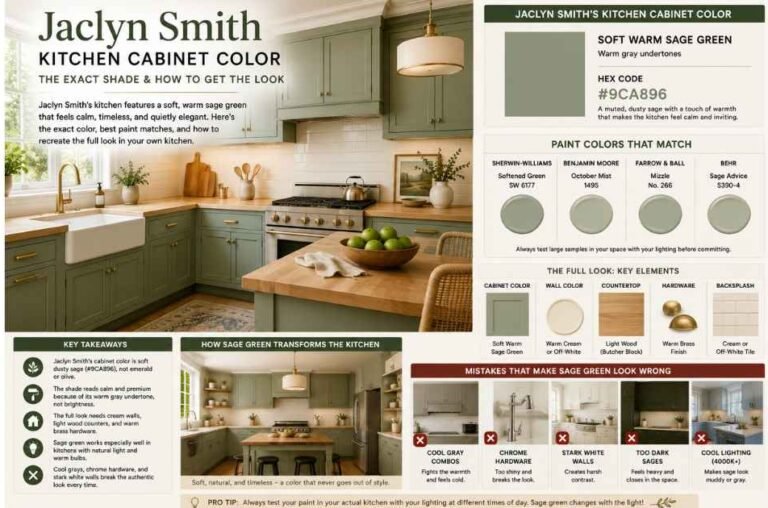
Jaclyn Smith Kitchen Cabinet Color: The Exact Sage Green
Jaclyn Smith’s kitchen keeps circulating design blogs for one reason: the cabinet color. Soft, dusty, warm sage green paired with cream walls and light wooden…
-
Kitchen Taps from B&Q: Best Picks by Type and Budget
Choosing a kitchen tap from B&Q sounds simple until you land on the category page and see 3,600+ products. Mixer, pull-out, boiling water, filter, pillar….

Home decor ideas: proven ways to style every room
Most home decor advice online reads like it was written for a magazine shoot, not a home you actually live in. Rooms styled around $8,000 sofas and 12-foot windows don't help when you're staring at a rental with beige walls and a budget you actually need to respect. That gap between glossy inspiration and real rooms is what makes decorating feel harder than it should be.
Home decor ideas that work in real life share three things. They start with function, they layer instead of pile, and they respect the room's actual size and light. Get those right, and even a modest space starts to feel intentional. The full guide below breaks it down room by room, style by style, and budget by budget, with one honest mistake almost every home makes hidden in the final section.
Key takeaways:
- The best home decor ideas start with function, not decoration
- Every room needs at least three light sources at three different heights
- Rugs are the most common mistake, always buy the largest size the room can hold
- Paint is the highest-impact change per dollar spent, no exceptions
- Style follows a shared color palette, not matching sets from one retailer
- Small rooms handle bold color and dark walls better than most people believe
What home decor ideas actually solve
Home decor ideas are more than aesthetic upgrades. They solve three real problems in every home: how a room functions in daily life, how it feels the moment you walk in, and how much it reflects the person who lives there. Miss any of these and even beautifully styled rooms fall flat.
Function comes before pretty
A gorgeous room you can't cook, sit, work, or sleep comfortably in isn't a well-decorated room. It's a display. Decor decisions should serve real routines first. A coffee table needs room to walk around it. A reading chair needs a light source within arm's reach. A dining table needs enough space behind chairs to pull them out without hitting a wall. Function is the invisible layer that makes a room feel right without you knowing why.
Mood is built by layers
A room's mood comes from what your eye reads as you enter, not from any single feature. Warm lighting from three different heights, soft textures against hard surfaces, and quiet color transitions between walls, floor, and furniture all create mood before you notice any decor object. Cold overhead fluorescents and bare walls kill mood no matter how expensive the sofa.
Identity keeps a room from feeling generic
Every home should have three or four items that say something about who lives there. A framed print from a trip. A pot inherited from a grandmother. A stack of well-read books you actually reference. Rooms styled entirely from one furniture store's catalog feel like showrooms because they carry zero personal signal. Identity turns a house into your home.
Home decor ideas for every room
Every room has its own logic. What works in a living room fails in a bathroom. The ideas below are grouped by room so you can jump to whichever space needs the most help right now, and each one includes at least one specific measurement or material rule you can apply today.
Living room decor ideas
Living rooms are the hardest room to get right because they carry the heaviest daily load. They host guests, hold the TV, absorb life on the sofa, and often serve as the first room visitors see. Three fixes cover most tired living rooms.
Start with the rug and make it bigger than you think. A rug should hold the front legs of every seat around it at minimum, ideally all four legs of the main sofa. A rug that floats between furniture like a bath mat is the single most common decorating mistake, and it makes even expensive rooms look unfinished.
Add lighting at three heights. One overhead fixture on a dimmer, one floor lamp with a warm 2700K bulb, and one table lamp on a side surface. This isn't a trend, it's basic residential lighting design. Rooms lit by ceiling fixtures alone read as sterile no matter what furniture you own.
Pull the sofa off the wall. Even 8 to 12 inches of breathing space between the sofa back and the wall creates the illusion of depth, tricks the eye into reading the room as larger, and separates the seating area from the traffic path. Rooms with all furniture flat against every wall feel like waiting rooms.
Pro tip: A well-placed floor lamp in the darkest corner of the room does more for atmosphere than any decorative object you can buy. Warm color temperature matters more than the lamp itself.
Bedroom decor ideas
Bedrooms should feel quiet. Every element in a bedroom should support sleep, not compete for attention. The three biggest bedroom wins are the bed itself, the lighting flanking it, and the artwork above it.
For the bed, keep the color palette tight. A headboard, sheets, quilt, and pillows in more than four colors reads as chaotic even if each item is beautiful on its own. Choose one dominant color, one secondary, one accent, and repeat the accent in a throw or a single decorative pillow.
For lighting, matching bedside lamps immediately make a bedroom look intentional. Wall-mounted swing arm lamps free up nightstand surface for a book and a glass of water, which is what nightstands are actually for. Overhead lights should always be on a dimmer in a bedroom, ideally warm-toned.
For art, size matters more than subject. Art above a headboard should span roughly two-thirds the width of the bed. A single small print floating above a king mattress looks accidental. Two matching medium pieces or one large piece both work.
Kitchen decor ideas
Kitchens are the hardest room to decorate because most of the surface area is fixed. Cabinets, counters, appliances, and floors rarely change without significant investment. Focus on the three swappable elements: hardware, lighting, and the styling of open surfaces.
Cabinet hardware is the highest-ROI kitchen change. Swapping every cabinet pull and drawer handle for matte black, brushed brass, or unlacquered brass hardware modernizes a dated kitchen for under $200 in most homes. Choose one finish and use it on every piece of hardware, including the faucet if possible.
Lighting over an island or dining table should hang 30 to 34 inches above the surface. Too high and it looks disconnected. Too low and it blocks sight lines. This measurement matters more than the fixture itself.
Open shelving needs restraint. Leave one-third of each shelf empty. Overloaded open shelves read as storage, not styling. Stack plates in threes, group glasses by type, and let a single cookbook or small plant do the styling work.
Bathroom decor ideas
Small bathrooms benefit most from one strong decorative move rather than several small ones. A single oversized mirror, a full wall of removable tile wallpaper, a bold shower curtain, or a set of matching frames doing gallery duty above the toilet all work better than a scattered collection of accessories.
Bathroom lighting is often the worst in the house. The single overhead can bulb most bathrooms ship with creates harsh shadows on the face, which is exactly wrong for the one room where you check your appearance daily. Add sconces at eye level flanking the mirror, or a horizontal fixture directly above it. Warm bulbs, not cool ones.
Storage first, decor second. If your bathroom is buried in shampoo bottles and toothbrushes, no amount of decoration will make it feel styled. A small cabinet, a corner shelf, or over-the-toilet shelving hides the daily mess and lets the decor breathe.
Dining room decor ideas
Dining rooms live or die by two elements: the pendant fixture and the rug. Get either wrong and the room fights itself.
Pendants or chandeliers should hang 30 to 34 inches above the dining table surface, centered on the table exactly, not on the room. A fixture centered on the room but off-center to the table always looks wrong.
Rugs should extend at least 24 inches past every edge of the dining table so chairs stay on the rug when pulled out. A rug chairs fall off during dinner defeats the purpose. Round tables get round rugs, rectangular tables get rectangular rugs, and no rug at all beats one that's too small.
Chairs matter more than most people think. A dining table looks 40 percent better with chairs that don't match than with a matching set that came with the table. Mix wooden chairs with upholstered captain's chairs at the ends. Mix vintage with modern. Matching sets read as catalog pages.
Home office decor ideas
Home offices work best when they don't look like offices. A leather-topped writing desk beats a black steel corporate desk. A wooden or upholstered chair with a real cushion beats a mesh corporate chair unless you spend eight hours a day working. A single warm lamp on the desk plus one floor lamp behind you eliminates the flat, industrial feel most home offices default to.
Cable management removes 90 percent of visual clutter. A basic tray screwed to the underside of the desk holds cords out of sight. Painting a wire raceway the color of the wall makes it disappear.
Storage should look like decor. Woven baskets, wooden crates, leather magazine files, and closed cabinets hide the paperwork side of work. Open shelves piled with binders make an office feel like an office.
Entryway decor ideas
The entryway sets the tone for the entire home and is usually the smallest, most cluttered space. A narrow console, a mirror above it, one lamp on the console, a bowl for keys, and a runner rug sized to fit the floor. That's the whole formula.
Hooks on a wall or the back of a door handle coats and bags. A bench with hidden storage handles shoes. Anything beyond these basics usually starts to look cluttered rather than intentional.
Lighting matters here too. A single overhead bulb kills the welcoming feeling entryways are supposed to create. A small lamp on the console with a warm bulb turns a transactional space into an inviting one.
Outdoor and porch decor ideas
Outdoor spaces are underused in most homes and get treated like afterthoughts. A rug rated for outdoor use, two chairs, a small side table, and one weatherproof lamp or string lights create a room outside your room. The rug does most of the work of defining the space.
Plants matter here more than furniture. Even three well-chosen pots at different heights change the feel of a porch entirely. Mix trailing plants with tall spiky ones and rounded shrub-shaped ones for visual variety. All matching plants in matching pots read as landscape design, not decor.
Home decor ideas by style
Style is personal, but each of the popular decorating styles has a small set of moves that separate the real version from the surface-level copy. Style isn't picking a category off a Pinterest board. It's picking the right proportions, materials, and restraint level for the look you actually want to live with.
Modern minimalist
Minimalism gets misread as empty. It isn't. Real minimalism is editing. Every object earns its place, materials read as honest (real wood, real stone, real linen, real leather), and the color palette rarely runs beyond three shades total.
The trap most people fall into is thinking cold equals minimal. A minimalist room feeling cold usually needs texture, not color. Add a chunky wool rug, a rough linen throw, or a woven basket to warm the space without breaking the palette.
Farmhouse and country
Farmhouse works when it looks lived in, not staged. Weathered wood, warm neutrals, mixed metals (never all matching), vintage or thrifted pieces sitting alongside newer basics. The tell of fake farmhouse is matching shiplap walls and mass-produced signs with cursive quotes. That isn't farmhouse, that's a costume.
Real farmhouse warmth comes from wear. A dining table with visible knife marks. A rug with a corner that curls up. A leather chair that's patinaed. Style with imperfect things.
Boho eclectic
Boho works when the layering feels collected over time. Mix patterns across three scales (small, medium, large) all in a shared color family. Stack rugs. Hang macrame or textiles on walls. Fill corners with plants. What kills boho is buying a matching set from one retailer, which turns the whole look into a costume rather than a collection.
Restraint is boho's secret weapon. Fifteen carefully chosen pieces read as intentional. Fifty read as cluttered.
Scandinavian
Scandinavian style is light woods (oak, ash, birch), white or off-white walls, black accents, and cozy textiles. The Nordic climate shapes the style, so lighting matters more here than in almost any other look. Multiple warm sources, never harsh overhead alone.
Add a sheepskin or two, some candles, and a few plants and the look comes together fast. The color palette rarely runs beyond four total shades: white, wood, black, and one accent (usually green from plants or a muted blue).
Japandi
Japandi combines Scandinavian coziness with Japanese restraint. Low furniture, natural materials (wood, paper, stone, ceramic), quiet color palettes (warm neutrals, muted greens, blacks), and a strong sense of negative space. Empty floor and wall space isn't an unused resource in Japandi, it's a design element.
The style rewards patience. Japandi rooms should feel considered, never rushed together in a weekend.
Traditional
Traditional decor leans on symmetry, quality wood furniture, patterned rugs (florals, orientals), and framed art in classic frames. It ages well because nothing in it is trendy. A traditional living room from a decade ago still reads as traditional today.
The move that makes traditional look dated is over-matching. Coordinated furniture sets, matching lamp pairs, curtain-and-pillow fabric sets. Modern traditional mixes classic pieces without turning the room into a catalog page.
Coastal
Coastal isn't seashells and beach signs. It's a light color palette (whites, sandy neutrals, soft blues, occasional greens), natural fibers (jute, rattan, seagrass, linen), and airy negative space. Skip the literal beach objects and the mood still comes through.
The best coastal rooms would feel just as right in a mountain cabin as at the shore. The materials do the work, not the theme.
Mid-century modern
Mid-century relies on clean lines, tapered wood legs, warm woods (walnut, teak), and a few bold pops of mustard, olive, rust, or teal. One statement piece, a walnut sideboard or an arc floor lamp, does most of the work in a mid-century room.
Don't turn every room into a mid-century room. Mid-century pieces mix beautifully with other styles. One walnut credenza in an otherwise modern room adds warmth without committing the whole space to a period look.
Home decor ideas by budget, size, and material
Every home has constraints. Budget, room size, material limits from a rental agreement, or simply what your local stores carry. The good news is that constraints often produce better decorating decisions than unlimited options.
Budget tiers and where to spend
Not all decor dollars are equal. Some purchases return their cost tenfold in daily satisfaction. Others depreciate the moment you unbox them. The table below shows where each budget tier delivers the most impact.
| Budget tier | Best decor moves | Where to skip |
|---|---|---|
| Under $100 | Paint one wall, swap hardware, add a warm bulb, thrift a mirror, style with plants | New sofas, throwaway accessories |
| $100 to $500 | Real area rug, framed art at proper scale, quality lamp, new light fixture, curtain upgrade | Faux-luxury accessories, cheap wall clocks |
| $500 to $1,500 | Quality armchair, real wood side tables, custom curtains, statement ceiling fixture, layered lighting scheme | Full-room replacements, matching sets |
| $1,500 and above | Sofa upgrade, bed frame plus mattress refresh, dining table, kitchen hardware overhaul, one investment piece | Anything trendy that reads dated in three years |
Pro tip: The single highest-ROI purchase in any budget tier is a proper area rug. A rug sized correctly for the room does more visual work than any other single object, and cheap rugs at the wrong size ruin rooms costing five times as much.
Small space decor ideas
Small rooms aren't a limitation. They reward smart decisions in a way large rooms don't. Four rules cover most small-space wins.
Go vertical. Tall bookcases, floor-to-ceiling curtains hung high above the window frame, and art placed slightly higher than you'd expect all trick the eye into reading the room as taller.
Choose multi-functional furniture. A storage ottoman replaces a coffee table and hides blankets. A drop-leaf table works as a desk during the week and a dining table on weekends. A bench with a lift-top seat solves entryway shoe storage.
Use mirrors intentionally. A large mirror opposite a window nearly doubles the visible light in a small room. Small scattered mirrors do the opposite, they add visual clutter.
Scale everything down. Standard-size sofas and coffee tables in small rooms feel like a couch shoved into a shoebox. Apartment-scaled furniture (loveseats, narrow-depth sofas, round side tables) fits the room without dominating it.
Rental-friendly decor ideas
Renting doesn't mean living with bare walls. Peel-and-stick wallpaper covers accent walls without damage. Removable tile decals work on kitchen backsplashes and bathroom floors. Adhesive hooks handle everything from art to curtain rods when rated for the right weight.
Layer a large rug over any floor you hate. Ugly kitchen tile disappears under a runner. A dated bathroom becomes tolerable with a bath rug that covers most of the floor. Furniture can even hide the worst spots, so put a long console over the ugliest patch of wall.
Materials that read as expensive
A room with the right materials in cheap pieces almost always reads better than one with the wrong materials in expensive pieces. The table below shows which materials read as premium and which read as cheap regardless of price.
| Reads as expensive | Reads as cheap |
|---|---|
| Real wood or wood veneer, natural stone, linen, wool, real leather, matte ceramic, brass, iron, jute, rattan | Fake wood grain, plastic marble, polyester silk, velvet blends, high-gloss lacquer, chrome, thin painted metal, fake plants |
Pro tip: When shopping, touch every material before buying if possible. Cheap materials often photograph well but reveal themselves under fingers. If a fabric feels slick and plasticky, it'll read that way in your room too.
A before-you-buy checklist
Every decor purchase should pass five checks before it enters your home. Skipping this list is why closets fill up with returns and regrets.
- Measure the actual space it will occupy, not the space you assume it will fit
- Check the material in person or read reviews that mention material quality specifically
- Confirm the color reads accurately in your room's lighting, not just in photos
- Verify the piece serves at least one daily function beyond looking good
- Confirm you'd still buy it if it went out of trend next year
The 5-3-1 room method
Most home decor advice is a pile of tips without a system. The 5-3-1 method turns decorating any room into three ordered steps: five foundations, three layers, and one signature piece. Get these in order and the room finishes itself.
The five foundations
The five foundations are the non-decorative bones of any room. Get these right and the room already works before you place a single decorative object.
The five are: wall color, floor covering (rug or refinished floor), primary lighting (fixture plus dimmer), primary seating or bed, and one storage solution. These carry the weight of the whole room. If any one is wrong (bad wall color, undersized rug, harsh lighting, uncomfortable seating, or visible clutter with no home) the room will fight every decor decision that follows.
The three layers
The three layers are what turn a functional room into a felt room. They are: secondary lighting (a floor lamp, a table lamp, string lights, or candles at a different height than the primary source), textiles and texture (a throw, an accent pillow set, a runner rug, or curtains), and vertical interest (art on the walls or a tall plant).
These three add warmth, depth, and mood. Skip any one and the room will feel incomplete no matter how nice the foundations are.
The one signature piece
The signature piece is the item that makes a room unmistakably yours. It shouldn't fit the rest of the room perfectly. That's the point. A signature piece is what a visitor asks about first. An oversized thrifted mirror. A gallery wall of family photos. An heirloom cabinet passed down two generations. A hand-thrown pot from a trip. Whatever you choose, there should be exactly one, and it should live in the room's natural focal point.
The 5-3-1 method applied to a real room
The best way to understand the 5-3-1 method is to see it applied to an actual space. My last living room was a 14-by-16-foot rental with beige walls, hand-me-down furniture, and a builder-grade ceiling light. It felt cold and generic for the first six months of the lease.
Over one weekend, I spent under $250 applying the 5-3-1 method. For the foundations, I couldn't change the paint or the floors (rental), but I upgraded the rug to a proper 8x10 wool blend, swapped the 4000K ceiling bulb for a warm 2700K one, and added a soft armchair from a thrift store. For the three layers, I added a floor lamp in the darkest corner, a linen throw and two accent pillows on the sofa, and a large piece of framed art above the couch. For the signature piece, I hung an oversized vintage mirror I'd been storing for a year.
The room went from "someone's default IKEA setup" to "this feels like a home" in two days. No paint, no landlord issues, no major furniture purchases. The method worked because it made me solve the foundations first instead of skipping straight to decorative styling.
Home decor mistakes to avoid
Every home tends to fall into the same handful of decorating mistakes. Fixing these takes almost nothing in time or money, but the visual impact of correcting them is disproportionate. The six below cover more than 80 percent of what makes rooms feel off.
The rug is too small
The single most common decorating mistake, in every room, in every style. A rug that floats between furniture instead of anchoring the seating area makes a room look unfinished forever. The fix is to buy the largest rug the room can hold. In a living room, that means the front legs of every seat sit on the rug at minimum, ideally all four legs of the main sofa. In a bedroom, that means the rug extends at least 18 inches past every side of the bed. In a dining room, at least 24 inches past every edge of the table.
Only one light source
Rooms lit by a single overhead fixture feel like waiting rooms. Every room in a home needs at least three light sources at three different heights: an overhead fixture (ideally on a dimmer), a mid-height light source (a wall sconce or table lamp), and a low light source (a floor lamp or candle). Warm bulbs (2700K to 3000K) beat cool white bulbs (4000K and above) in every residential setting.
Furniture pushed against every wall
Pushing every piece of furniture flat against the walls doesn't make a room feel bigger. It makes it feel like a doctor's waiting room. Pull the sofa forward 8 to 12 inches, even in a small room. Angle a chair slightly toward the seating group instead of squaring it to a wall. Leave breathing space behind large pieces. These small adjustments create depth the eye reads as more space, not less.
Skipping the paint step
A room with the wrong wall color will fight every decor decision you make. If your walls are a color you actively dislike, no rug or lamp or gallery wall is going to fix it. Paint is the cheapest and highest-impact change in decorating, and it's almost always worth doing first. For renters, ask about painting before assuming the answer is no. Many landlords allow neutral repaints if you agree to repaint back at move-out.
Buying before measuring
Sofas that don't fit through doorways. Rugs that arrive two sizes too small. Coffee tables that leave no walking room. Beds that block the closet from opening. All of these come from buying before measuring. A tape measure and a floor plan drawn on graph paper takes 20 minutes and prevents thousands of dollars of returns and regrets.
Chasing trends into permanent decisions
Trends belong in things you can easily swap: pillows, art, small decor, seasonal accents. Trends don't belong in things that last a decade: sofas, dining tables, cabinet color, tile choice, permanent flooring. A bouclé sofa in the trendiest curved shape will read as dated in three to five years. A classic-lined sofa in a neutral fabric will still read as intentional in fifteen.
Reader objection: doesn't decorating on a budget always look cheap?
No. Cheapness isn't a price problem, it's a materials-and-proportion problem. A $200 room done well reads better than a $2,000 room done poorly. The tells of cheap decor are consistent regardless of budget: undersized rugs, fake wood grain, mismatched metals, harsh cool-toned overhead lighting, and clutter with no visual breathing room. Fix these and even a genuinely tiny budget produces a room that photographs like it cost five times as much.
Reader objection: won't small rooms feel smaller with dark colors or bold decor?
Usually the opposite. Small rooms with pale everything read as flat and forgettable, not spacious. A dark accent wall visually recedes, which pulls the wall backward and expands perceived depth. A bold rug anchors the space and gives the eye a place to land. Small rooms that feel small are almost always rooms with no visual anchor, not rooms with too much color.
FAQs
How do I start decorating a room from scratch?
Start with the five foundations before buying any decorative object: wall color, floor covering, primary lighting, primary seating or bed, and one storage solution. These carry the weight of the whole room. Once these are handled, adding decorative pieces feels intuitive rather than random, and the room comes together far faster than a piece-by-piece approach.
How much should I spend on home decor for a single room?
Spend the most on the pieces you touch daily (sofa, mattress, dining chairs, desk chair) and the least on trend items you'll want to swap in a few years. A well-considered $500 in a small room does more work than $3,000 spread thoughtlessly across many small pieces you never bond with.
What is the biggest decorating mistake most people make?
Buying a rug that's too small for the space. This is the single most common decorating mistake in every room, in every style, at every budget level. Correcting rug size alone often changes how a room feels more than any other single fix, and it's the first thing to check in a room that feels off.
How often should a home get redecorated?
Foundation pieces (sofas, dining tables, quality lighting) should last ten years or more. Layer elements (throws, pillows, art placement, plants) can shift every year or two. Signature pieces might stay for decades. A whole-home refresh every five to seven years usually strikes the right balance without turning decorating into a permanent renovation project.
What makes a room look expensive when it isn't?
Right-sized rug, warm layered lighting, real materials in small doses (a real wood side table, real linen curtains, a real leather chair), no visible clutter, and a strong signature piece. Any room with these five elements reads as considered regardless of the actual price of the furniture inside it.
Are decor trends worth following at all?
Only in low-cost, easy-to-swap items. Trends belong in pillows, art, small accessories, and seasonal touches. They don't belong in furniture, cabinet color, permanent flooring, or fixed tile choices. A room built on classic bones with trendy accents ages far better than a fully trendy room that has to be redone in three years.
Bringing it all together
The best home decor ideas are the ones you actually use. Not the ones saved to a Pinterest board for a hypothetical future room, but the ones applied to the actual room you sit in tonight.
The framework matters more than any single decorating tip. Start with the five foundations, layer three secondary elements, then add one signature piece that makes the space unmistakably yours. Apply this to any room in any style at any budget and it works. Skip the framework and reach straight for decorative accessories, and even a $5,000 makeover will feel oddly hollow.
Style is personal. What isn't personal is proportion, scale, and light. A rug the right size will look better in every style. Warm layered lighting will feel better in every home. A signature piece will make every room feel more like yours. These fundamentals sit under every style listed in this guide.
Pick one room. Pick one change. Apply it this weekend. Decorating gets easier when it's built one small decision at a time rather than one weekend of everything at once. Every article on HomeDecorIdeas is written the same way, room by room, decision by decision, so a reader landing on any page leaves with something they can actually apply in their own home this week.