
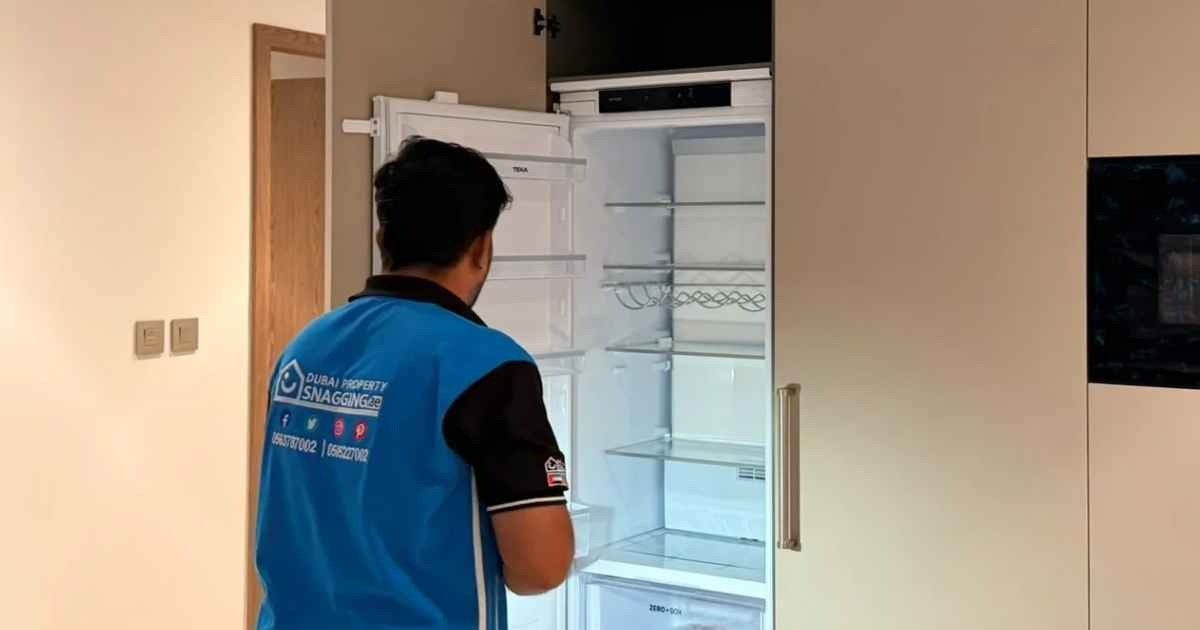
Dubai hands over thousands of new homes every year. For buyers, handover day feels like the finish line: the payments are done, the keys are ready and the move can finally start. However, Property Snagging Dubai plays an important role in ensuring that a good-looking home is also a well-finished one. The weeks around handover are the ideal time to identify small faults, document defects and arrange repairs before they become more difficult and expensive to fix.
That’s what property snagging in Dubai is about. It’s a careful, room-by-room check of a property to find defects before you accept it, so the developer or seller fixes them instead of you.
Whether you’re buying your first apartment in JVC, adding a townhouse to your portfolio in Dubai South, or helping a client close on a villa in Dubai Hills, this guide covers what you need to know. We’ll explain what snagging is, when to book it, what inspectors check, and how the process works from start to finish.
What Is Property Snagging?
A “snag” is any defect, unfinished item or poor-quality piece of work in a property. Some snags are cosmetic, like a paint drip or a scratched door. Others are functional, like a socket with no power or a shower that drains slowly. A few are serious, such as a hidden leak, failed waterproofing or a cracked tile hiding a hollow base.
Property snagging is the process of finding and recording all of these issues before you take ownership. A trained inspector goes through the home using professional tools, tests the systems, and checks important areas such as roof waterproofing in Dubai, where poor installation can lead to water leaks and moisture damage. The inspector then produces a snag list: a detailed report with photos, locations and short descriptions of each issue.
That report is what turns “something doesn’t feel right” into a clear list the developer can act on. It also gives you a record of the home’s condition on the day you received it, which helps if a dispute comes up later.
Why Property Snagging Matters So Much in Dubai
Three things make snagging especially worthwhile here.
Speed and scale. Many Dubai projects are delivered in large batches on tight timelines. Finishing teams work fast, and even good developers end up with workmanship gaps when hundreds of units are completed at once.
The climate. Summer temperatures near 50°C, coastal humidity and the occasional heavy storm put real stress on air conditioning, sealants, waterproofing and window frames. A weak point that might stay hidden for years elsewhere can show up within one Dubai summer.
The legal window. Under Dubai Law No. 6 of 2019, developers must repair defective installations, such as plumbing, electrical and mechanical work, for one year after handover, and structural defects for 10 years. That protection is valuable, but it works best when defects are spotted and reported early, with clear evidence. Snags you miss now may become your own cost later.
In short, property snagging in Dubai isn’t about being fussy. It’s about using the short window when someone else is responsible for the fixes.
When Should You Book a Snagging Inspection?
Timing matters as much as the inspection itself. These are the main moments:
| Situation | Best time to inspect | Why |
| Off-plan handover | After the developer’s handover or inspection notice, before you sign acceptance | Defects get logged while the developer is still on site with its teams |
| Already moved in | As early as possible in the first year | You’re still inside the defect liability period |
| Before the warranty ends | Around month 10 or 11 after handover | Catches defects that have shown up since you moved in |
| Resale purchase | Before transfer, ideally before the final price is agreed | Findings can support negotiation or repair requests |
| Tenancy start or end | At move-in and move-out | A clear record helps settle deposit disputes |
For off-plan buyers, the handover inspection is the big one. Many developers give a short window to raise snags, so book your inspector as soon as you get the notice.
What Inspectors Check, Area by Area
A proper snagging inspection is far more than a walk-through with a torch. A good inspector works through the property system by system:
- Walls, floors and ceilings: cracks, uneven or hollow tiles, poor grout, paint defects, gaps at skirting and cornices
- Doors and windows: alignment, locks, hinges, seals, smooth sliding, and gaps that let dust and rain in
- Electrical: power at every socket, correct polarity and earthing, the distribution board, lights, switches and isolators
- Plumbing and drainage: water pressure, hot water, leaks under sinks, slow drains, and the slope of shower and balcony floors
- Air conditioning: cooling at each vent, thermostat response, condensate drains and duct leaks
- Waterproofing: wet areas, balconies, terraces and roofs, often with a flood test
- Kitchen and joinery: cabinets, hinges, worktops, wardrobes and built-in appliances
- Safety: smoke detectors, balcony railings, glass, and sharp or unfinished edges
The tools that make the difference
The eye only sees the surface. Experienced inspectors also use thermal imaging cameras to spot moisture, missing insulation and overheating cables behind walls. They also use moisture meters to confirm damp, socket testers for wiring, and spirit levels and laser measures for floors and frames. When comparing companies, ask which tools come as standard.
The Most Common Snags in Dubai Homes
Every property is different, but some defects come up again and again in new Dubai apartments, townhouses and villas:
- Hollow or uneven floor tiles. Tap a tile and it sounds empty. Hollow tiles crack easily under weight.
- Poor shower and balcony slopes. Water collects instead of draining, which leads to stains, mould and leaks.
- Gaps in silicone and sealant. These show up around basins, bathtubs, kitchen worktops and window frames.
- Weak AC performance. One room cools well and another doesn’t, often because of duct leaks, a blocked drain or poor balancing.
- Electrical faults. Common examples are dead sockets, loose face plates, missing earthing and mislabelled breakers.
- Doors that stick or don’t close. Frames are often out of square, or swell where moisture gets in.
- Paint and finishing defects. Patchy coats, drips, roller marks and touch-ups in a different shade.
- Hidden water leaks. Slow leaks behind walls or under floors are among the most expensive snags if they’re missed.
Most of these are quick to fix during handover. Leave them for a year and some, especially leaks and waterproofing failures, can cause far more damage.
How the Property Snagging Process Works
Here’s what a typical property snagging job looks like from start to finish:
- Book the inspection. Share the property type, size, community and handover date. Most companies price by size and type.
- Get access. Arrange keys or access with the developer, and make sure power and water are connected. Without them, half the tests can’t be done.
- The inspection. An apartment usually takes a few hours and a large villa can take most of a day. You’re welcome to attend, and it’s a great way to learn about your home.
- The report. You receive a snag list with photos, locations and descriptions, usually grouped by room. Looking at a sample snag report before you book shows you what good looks like.
- Submit to the developer. Send the report through the developer’s handover or customer care channel and ask for a reference number and timeline.
- De-snagging. Once the developer says the work is done, a second visit checks that each item was actually fixed. If you’re unsure how the two visits differ, this guide on snagging vs de-snagging explains it well.
- Accept the keys. Sign off only when you’re satisfied, or note any open items in writing.
Advice for Beginners, Investors and Agents
If you’re a first-time buyer
Don’t worry about knowing the technical terms. That’s the inspector’s job. Focus on three things: book early, attend if you can, and don’t sign the handover acceptance until the snag list has been submitted. Ask questions during the visit. Most inspectors are happy to show you how things work, from the main water valve to the DB board.
If you’re an experienced investor
You already know that a defect-free unit rents faster and needs fewer maintenance calls. Make property snagging a standard step for every purchase, and keep a simple tracker of handover dates so you can book a second inspection before each warranty year ends. For resale units, a pre-purchase inspection can turn hidden repair costs into a fair negotiation point.
If you’re a real estate agent
Recommending property snagging protects your clients and your reputation. It shows you care about the outcome, not just the transaction, and it heads off angry calls after handover. For listings, a recent inspection report can reassure buyers and shorten negotiations.
Frequently Asked Questions
What is property snagging in Dubai?
Property snagging in Dubai is a professional inspection of a new or resale home to find defects before handover or purchase. The findings go into a snag list that the developer or seller uses to make repairs.
Is property snagging worth it for a brand-new home?
Yes. New homes are where snagging matters most, because the developer is still responsible for fixing defects. Even well-built homes usually have a long list of small issues.
How long does a snagging inspection take?
A studio or one-bedroom apartment usually takes 2 to 3 hours. Larger villas can take most of a day.
Can I do snagging myself?
You can spot obvious cosmetic issues. But without thermal cameras, moisture meters and electrical testers, hidden problems like leaks, poor waterproofing and wiring faults are easy to miss.
What happens after the snag list is submitted?
The developer reviews the list and repairs the items. A de-snagging visit then checks the work before you accept the property.
Does snagging help with resale properties?
Yes. A pre-purchase inspection shows the real condition of the home, which helps you negotiate the price or ask the seller to fix issues before transfer.
Final Thoughts
Buying property in Dubai is a big commitment, and handover is your best chance to make sure you get what you paid for. Property snagging gives you a clear, evidence-backed picture of the home’s condition. It lets you use the developer’s warranty properly and saves you from paying for someone else’s workmanship later.
Whether it’s your first apartment or your tenth investment unit, the rule is simple: get it checked before you accept the keys.
About the author
This article was contributed by the team at Dubai Property Snagging, a Dubai-based inspection company offering handover snagging, de-snagging, thermal imaging and pre-purchase inspections for apartments, townhouses and villas.