
Decorating a home is one of the most enjoyable parts of moving into a new property. Choosing furniture, selecting wall colours, arranging lighting, and adding personal touches can transform an empty space into a comfortable home. However, before investing in beautiful interiors, it is worth paying attention to something less visible: the actual condition of the property.
A home may look perfect during a viewing, yet small defects can remain hidden behind fresh paint, fitted cabinets, decorative panels, or flooring. A dripping tap, poorly sealed window, uneven tile, or concealed moisture problem can become an inconvenience after the furniture arrives. This is why a proper property inspection should be considered an important step before decorating, furnishing, or settling into a new home.
For homeowners and property investors in Dubai, professional property inspection Dubai services can help identify visible defects and maintenance concerns before they affect everyday living. A little attention at the beginning can make it easier to protect both the appearance and functionality of a property.
Why Property Condition Should Come Before Interior Design
Interior design is not only about choosing attractive furniture and coordinating colours. A well-designed home also needs a sound and functional foundation.
Imagine spending money on a new bedroom wardrobe, only to discover that moisture is entering through a nearby wall. Or picture installing expensive flooring before finding out that the underlying surface needs attention. These situations can lead to unnecessary repairs, additional expenses, and disruption to the decorating process.
Checking the property’s condition first helps homeowners make better decisions about where to invest their money.
Before beginning a decorating project, consider checking:
- Walls and ceilings for cracks, stains, and signs of moisture.
- Floors for uneven surfaces, damaged tiles, or loose sections.
- Windows and doors for proper alignment and sealing.
- Bathrooms and kitchens for visible leaks and drainage problems.
- Electrical fittings for visible damage and safe operation.
- Air-conditioning systems for unusual noise, leakage, or performance concerns.
- Exterior areas for visible drainage and water-related defects.
These checks do not replace specialist assessments where required, but they provide a useful starting point for understanding the home’s condition.
The Value of Property Snagging Before Moving In
When buying a newly constructed home, it is easy to assume that everything will be ready for occupation. Fresh finishes and modern fittings can create a strong first impression, but even new properties may contain incomplete work or installation defects.
This is where property snagging Dubai services become useful.
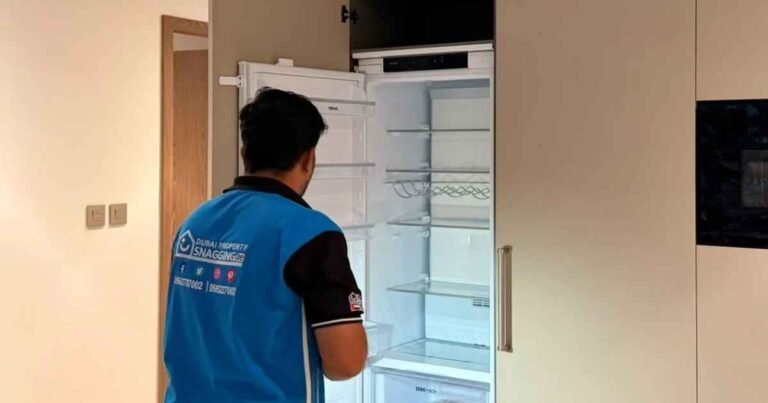
Property snagging is the process of identifying visible defects, unfinished work, and issues with fixtures or finishes before a property is accepted or occupied. It gives homeowners an opportunity to document concerns and communicate them to the developer or contractor.
For example, an inspection might reveal:
- Scratches or uneven paintwork on walls.
- Loose or chipped floor tiles.
- Doors that do not close properly.
- Windows with damaged seals.
- Poorly finished bathroom silicone.
- Visible plumbing leaks.
- Cabinets with misaligned hinges.
- Incomplete exterior finishing.
Each issue should be recorded with a clear description and supporting photographs. This makes it easier to understand what needs attention and where the problem is located.
A well-organized snagging report can also help homeowners prioritize repairs before bringing in furniture, installing decorative features, or arranging other finishing work.
Water Dripping from the Ceiling in Dubai: A Problem Homeowners Should Never Ignore
Water-related problems deserve particular attention because they can affect both the structure and the appearance of a home. One concerning situation is water dripping from ceiling Dubai residents may experience in apartments, villas, or other residential buildings.
A ceiling leak can appear as a small damp patch, yellowish staining, peeling paint, bubbling plaster, or actual water droplets. Sometimes the problem becomes visible only after heavy water use in an upstairs bathroom or during a period of rain.
There are several possible reasons for ceiling leakage:
Plumbing problems: A leaking water supply pipe or drainage connection above the ceiling may allow moisture to spread into surrounding materials.
Bathroom waterproofing defects: Damaged waterproofing or poorly sealed shower areas can allow water to pass through floors and affect the ceiling below.
Air-conditioning drainage issues: Blocked or damaged condensate drainage lines may cause water to accumulate and leak into nearby ceiling spaces.
Roof or terrace leakage: Defects in roof waterproofing, joints, or drainage arrangements can allow water to enter the building.
External water penetration: Damaged seals around windows, façades, or other exterior openings may contribute to moisture entering the property.
The most important step is to identify the source rather than simply repainting the affected ceiling. Covering a damp patch without addressing the cause can allow the problem to return.
If water is actively dripping, homeowners should protect furniture and electrical equipment, avoid touching wet electrical fittings, and contact building management or an appropriate maintenance professional. Where electrical safety may be affected, a qualified electrician should assess the situation.
Once the source has been identified and repaired, the affected area may need suitable drying, treatment, and restoration before repainting or decorating.
Why a Professional Property Inspection Can Save Time and Money
Many homeowners carry out their own checks before moving into a property. This is useful, but a professional inspection can provide a more structured assessment.
A qualified inspector follows an agreed inspection scope and uses appropriate methods to examine accessible areas. The purpose is not simply to identify obvious damage but to document visible concerns in a way that homeowners can understand and act upon.
A professional property inspection Dubai service may cover:
Walls, ceilings, and finishes
Inspectors examine accessible surfaces for visible cracks, uneven finishes, paint defects, stains, and signs of moisture.
Flooring and tiling
Flooring is checked for visible damage, loose tiles, uneven sections, and defective grout or skirting.
Doors and windows
Doors and windows are examined for alignment, smooth operation, visible gaps, damaged seals, and problems with handles or locks.
Bathrooms and kitchens
Accessible fixtures, visible pipework, drainage, sealant, and signs of leakage are reviewed within the agreed inspection scope.
Air conditioning and ventilation
Agreed checks may include accessible vents, visible condensation, unusual noises, and signs of water leakage around cooling equipment.
Exterior areas
Depending on the property, accessible exterior surfaces, drainage points, balconies, and visible areas around the building may also be examined.
The final report should explain what was observed, where the issue was found, and whether further specialist investigation is recommended. A standard visual inspection cannot confirm that every concealed pipe, electrical cable, or structural component is defect-free.
Choosing the Right Property Snagging Company
Not every homeowner has the time, experience, or equipment to inspect an entire property carefully. Choosing a reliable property snagging company can make the process more organized, especially when purchasing a new apartment or villa.
Before selecting an inspection provider, homeowners should consider several points.
Experience with different property types: Apartments, villas, and townhouses have different inspection requirements. Ask whether the provider has experience with the type of property you own.
Clear inspection reports: A useful report should contain specific defect descriptions, photographs, and location details rather than general comments.
Suitable inspection equipment: Depending on the agreed scope, inspectors may use moisture meters, flashlights, measuring tools, and other practical equipment.
Transparent service scope: Confirm which rooms, fixtures, and systems are included and which require separate specialist testing.
Communication and follow-up: The provider should be able to explain the findings and clarify whether a follow-up inspection is available after repairs.
The cheapest inspection is not always the most useful. A clear report and a properly defined service can make it easier to understand the property’s condition and plan the next steps.
Practical Checks Before Decorating a New Home
Once the initial inspection has been completed, homeowners can begin preparing the property for interior improvements.
A sensible sequence can prevent decorating work from being damaged by unfinished repairs.
1. Address water and moisture problems first. Investigate visible leaks, damp patches, and drainage concerns before painting or installing decorative finishes.
2. Complete necessary repairs. Arrange corrections to damaged flooring, loose fixtures, defective doors, and other recorded issues.
3. Review electrical and lighting requirements. Confirm that planned lighting installations and electrical changes are assessed and completed by appropriately qualified professionals.
4. Prepare walls and ceilings. Once moisture-related concerns have been resolved and surfaces are suitable for finishing, proceed with filling, sanding, priming, and painting as needed.
5. Install major furniture and fixtures. Wardrobes, kitchen units, curtains, and other fitted elements should be installed after relevant repairs and measurements have been confirmed.
6. Add decorative details. Rugs, artwork, cushions, lighting accessories, and decorative pieces can be introduced once the essential work is complete.
This approach helps protect decorating investments and reduces the possibility of having to remove or replace recently installed items.
Property Inspection Is Also Important for Existing Homes
Inspections are not only for newly purchased properties. Existing homes can develop problems over time, particularly when plumbing, air-conditioning, waterproofing, and exterior finishes experience regular use.
Landlords can benefit from documenting property condition before a new tenant moves in and after a tenancy ends. Homeowners may also arrange inspections when buying an older property, planning renovations, or investigating recurring maintenance concerns.
Keeping inspection reports, photographs, repair invoices, and maintenance records in one place can make future property management easier.
For rental properties, condition records can also help landlords and tenants discuss existing damage and maintenance issues more clearly. Responsibility for repairs should always be considered in light of the tenancy agreement and applicable local requirements.
A Beautiful Home Starts with a Well-Maintained Property
A beautiful interior is much easier to enjoy when the property itself is in good condition. Before choosing furniture or investing in decorative finishes, homeowners should take time to understand the building, identify visible defects, and arrange necessary repairs.
Whether it involves checking a newly constructed apartment, investigating water dripping from a ceiling, or preparing a villa for a complete interior makeover, a careful inspection can help prevent avoidable surprises.
Good design creates a welcoming atmosphere, but proper maintenance helps preserve it. By combining thoughtful decorating decisions with professional property inspection and snagging where appropriate, homeowners can create spaces that are not only attractive but also comfortable and practical for everyday living.
Disclaimer: This article is for general informational purposes only and does not constitute professional, legal, or technical property advice. Property inspection and snagging findings depend on the agreed scope and accessible areas—a standard visual inspection cannot confirm that every concealed pipe, electrical cable, or structural component is defect-free, and specialist assessments may be required. Construction defects, landlord-tenant responsibilities, warranty claims, and local requirements vary by property, developer, and jurisdiction, and may change without notice. Water leaks and electrical issues can pose serious safety risks; where electrical fittings may be affected, a qualified electrician should assess the situation. Readers should verify all inspection scopes, provider credentials, contracts, and legal obligations directly with qualified professionals and relevant authorities before making decisions. Any mention of specific services or locations does not imply endorsement. The author and publisher disclaim any liability for decisions made based on this content.
Small steps, big results—because every minute counts toward your goals. Learn something new today, and watch how quickly it adds up.”