A home aquarium sits somewhere between decor and living pet. Most guides treat it as one or the other. Fish-first hobbyists ignore how the tank looks in the room. Home decor blogs suggest ornaments that would kill the fish inside a week.
Aquarium ornament and fish tank decoration in home settings works when it respects both sides: the fish need cover and safe materials, and the tank needs to look intentional inside the room it lives in. Get one side wrong and you either have a dead fish or a lump of plastic-castle chaos on your living room stand.
This guide covers 13 decoration ideas that satisfy both fish welfare and home decor standards, plus the framework for making the tank feel like a chosen room feature rather than a random hobby object. The mistake in the final section is why most themed tanks read as tacky within a year.
Key takeaways:
- Every ornament must be aquarium-safe: no metal, no painted plastic with unknown coating, no sharp edges
- Live plants (Java fern, Anubias) give the most natural look and improve water quality at the same time
- Real driftwood and natural stone read as premium; plastic themed ornaments read as childish
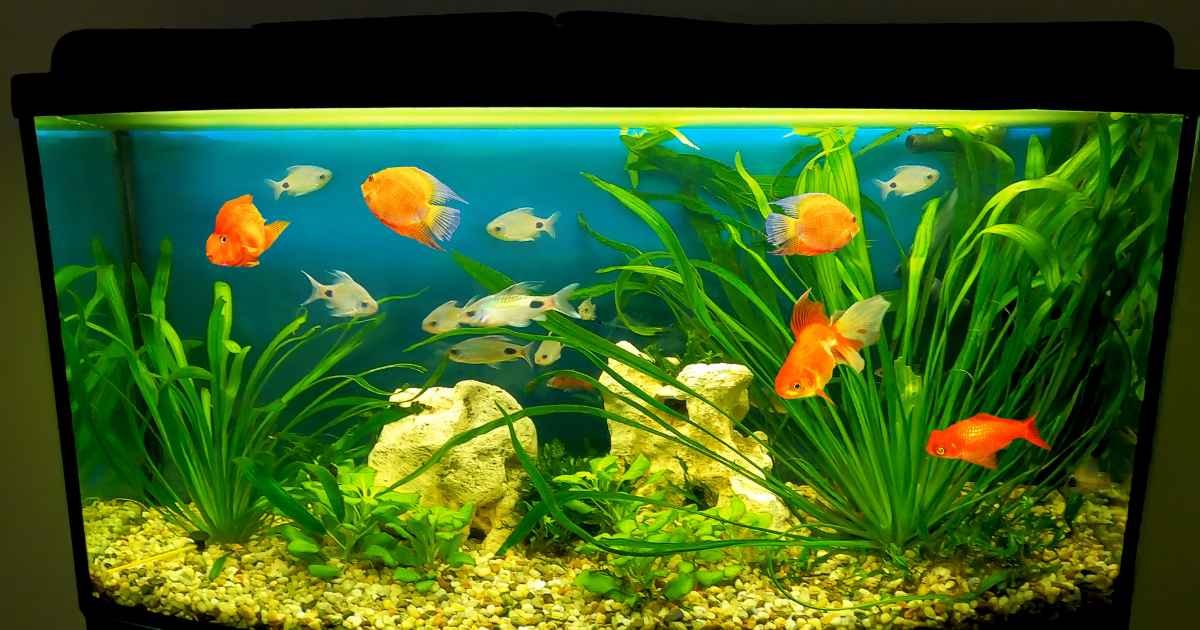
- A well-decorated tank uses three layers: background, mid-ground, and foreground
- Match the tank’s style to the room it’s in — natural aquascape for modern rooms, coastal look for coastal rooms
- Sand or fine gravel in muted tones beats brightly colored gravel every time
What counts as aquarium ornament and fish tank decoration for home
Aquarium ornaments and fish tank decoration for the home include any safe object placed inside the tank to shape its appearance and provide fish with cover. This covers live plants, natural driftwood, aquascape stones, ceramic hides, themed ornaments, backgrounds, and substrate. Everything added must be aquarium-safe, meaning no metal, no dyes that leach, and no sharp edges.
The two goals a home aquarium serves
A home aquarium serves two purposes at the same time. First, it’s a functional habitat for living fish that need cover, oxygen, and stable water. Second, it’s a decorative object visible in your room, often centered on a stand or built into shelving. Decoration decisions that ignore either goal fail. A pet-store hobbyist tank overloaded with cartoon castles fails on style. A styled empty tank with no hiding places fails on fish welfare.
The safety baseline for any ornament
No aquarium ornament goes in the tank before three checks. First, materials: safe ceramics, natural stone, real wood (soaked or bought aquarium-tested), plastic labeled aquarium-safe. Never metal, never painted household items. Second, edges: nothing sharp that could tear delicate fins. Third, rinse: every new ornament gets a hot-water rinse to remove packing dust and residue before entering the tank.
13 aquarium ornament and decoration ideas for home
These 13 ideas cover the range from most natural to most decorative, letting you pick based on the style of the room the tank lives in. Every idea is aquarium-safe if sourced from a reputable brand or prepared correctly. Combined thoughtfully, three or four of these carry the whole tank’s appearance.
1. Live aquatic plants
The single highest-impact decoration in any home aquarium. Java fern, Anubias, and Amazon sword are beginner-safe species that grow slowly, don’t need CO2 injection, and forgive average lighting. Real plants also process fish waste into oxygen. Budget: $5–$15 per plant. Cover 30–50% of the tank floor with a mix of low, mid, and tall species.
Where it fails: in tanks with fish that eat plants (goldfish, silver dollars). Use hardy species like Java fern or switch to silk plants.
2. Natural driftwood centerpiece
A single well-chosen piece of driftwood carries a whole tank. Look for Mopani, Malaysian, or spider wood at aquarium retailers. Buy pre-soaked and pre-tested pieces, or soak yours in a bucket for 1–2 weeks before adding to release tannins. Cost: $10–$40 for a hand-sized piece.
Where it fails: untreated wood from the forest leaches tannins that turn water tea-colored and can crash pH. Only use aquarium-tested wood.
3. Aquascape stone arrangement
Seiryu stone, Dragon stone, and Ohko stone create dramatic natural landscapes. These are the stones used in high-end aquascaping. Arrange 3–5 pieces in odd numbers with different heights for visual interest. Cost: $10–$50 per piece.
Where it fails: limestone or shell-based rocks raise pH and hardness. Test any new stone with vinegar first — if it fizzes, don’t use it in soft-water setups.
4. Slate stack hides
Flat slate pieces stacked into caves or shelves give bottom-dwelling fish (loaches, plecos, corydoras) essential hiding spaces while looking naturally sculpted. Free-source slate from a garden center works if scrubbed and boiled first to sterilize.
Where it fails: unstable stacks that shift and crush fish. Use aquarium-safe silicone to bond stack points on larger builds.
5. Terracotta pots
Half-buried or laid on their side, unglazed terracotta pots make natural-looking caves that suit both fish and home decor. Choose plain terracotta with no glaze and no painted design. Test by soaking in water for 24 hours and checking for any color leaching.
Where it fails: cheap glazed pots with unknown paint. Only use plain unglazed clay.
6. Ceramic ornaments in muted colors
Aquarium-safe ceramic sculptures, hides, and vessels in muted natural tones (beige, gray, terracotta) read as intentional decor. Avoid bright neon-colored ceramics or anything with unknown glaze from budget import stores.
Where it fails: cheap ceramics with lead-based glazes. Only buy from reputable aquarium brands.
7. Matte black or natural background
The tank’s back wall matters as much as any ornament. A plain matte black background makes plants and fish colors pop. High-quality nature photo backgrounds (rocks, plants, forest scenes) work too. 3D foam backgrounds add depth but cost more.
Where it fails: bright colored or shiny reflective backgrounds compete with everything inside the tank.
8. Aquascape substrate
Substrate isn’t just for planting — it’s the tank’s floor color, which affects everything. Natural sand, muted brown or black gravel, or aquasoil for planted tanks all suit home decor. Bright blue, pink, or rainbow gravel dates a tank instantly.
Where it fails: in shrimp or bottom-feeder tanks, sharp gravel damages soft bellies. Use rounded pebbles or sand instead.
9. Themed ornaments (used sparingly)
Sunken ships, ancient ruins, and pirate chests can work if they’re well-made resin (not plastic) and used as a single focal point, not a scattered collection. One good themed piece in a natural setting reads as intentional. Five of them read as a child’s tank.
Where it fails: in a tank aiming for aquascape style. Themed ornaments break the natural illusion completely.
10. Coconut hut hides
Half-coconut shells with entrance holes cut in are cheap, safe, and popular for shy fish. They read as natural in a jungle-style tank. Boil the coconut half first to sterilize and remove any oils. Cost: $3–$8 store-bought or free from a real coconut.
Where it fails: in modern or minimalist-style tanks where the coconut aesthetic clashes.
11. Live moss on wood or rocks
Java moss, Christmas moss, or Flame moss attached to driftwood or stones creates a lush, aged, naturally overgrown appearance. Tie the moss with cotton thread that dissolves as the moss anchors itself into the surface.
Where it fails: in tanks with high water flow that dislodges moss before it anchors. Reduce filter output during the initial anchoring phase.
12. PVC pipe hides (creative DIY)
White PVC pipe sections cut to 4–6 inch lengths make cheap, safe fish hides for shy species like loaches or eels. Paint them with aquarium-safe paint or hide them behind rocks and plants so only the entrance shows.
Where it fails: if left visible in a decor-focused tank. Only works when concealed within other elements.
13. Sand or fine gravel top layer
The finish layer over your substrate matters most for the tank’s finished look. Natural sand in cream or tan tones, or fine gravel in gray or brown, both read as premium. Layer thicker at the back, thinner at the front for a depth illusion.
Where it fails: disturbing the substrate during weekly cleaning if you didn’t put it down thick enough. Aim for 2–3 inches minimum.
How to choose ornaments for your home aquarium
Aquarium ornament choice depends on three factors: tank size, fish species, and the style of the room the tank sits in. Get any of these wrong and even beautiful ornaments create problems — overcrowded small tanks, aggressive fish with no cover, or a natural aquascape in a room full of chrome and glass modernism.
By tank size
| Tank size | Number of ornaments | Best focal piece |
|---|---|---|
| Under 10 gallons | 3–5 small items | One small driftwood or 2–3 rocks |
| 10–30 gallons | 5–10 items | Medium driftwood plus 3–4 rock arrangement |
| 30–75 gallons | 10–20 items | Large driftwood centerpiece plus rock structures plus planted zones |
| 75+ gallons | Layered zones | Multiple driftwood pieces plus full aquascape structures |
Pro tip: every fish tank needs equal swimming space to decoration space. If your ornaments take up more than 60% of the visible tank volume, remove some. Fish need clear water paths as much as they need hiding cover.
By fish species
Different fish need different decoration profiles. Betta fish want plants and one or two hides, not busy scenes. Cichlids need rock caves and territories. Community fish (tetras, guppies) do well with plants and open swimming space. Bottom-dwellers (loaches, corydoras) need multiple ground-level hides. Match the ornament choice to the actual inhabitants.
By room style matching
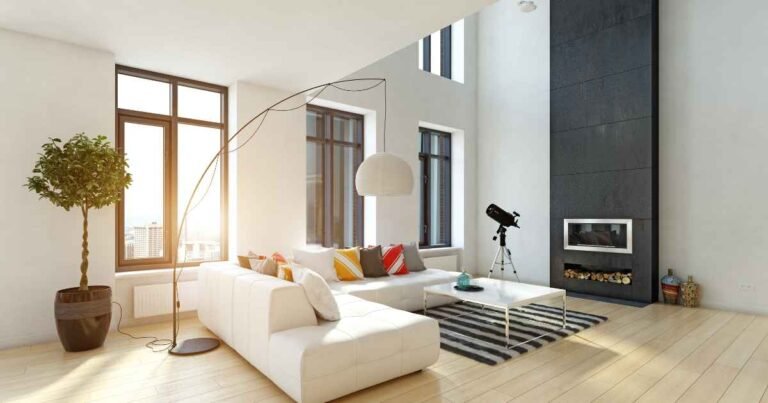
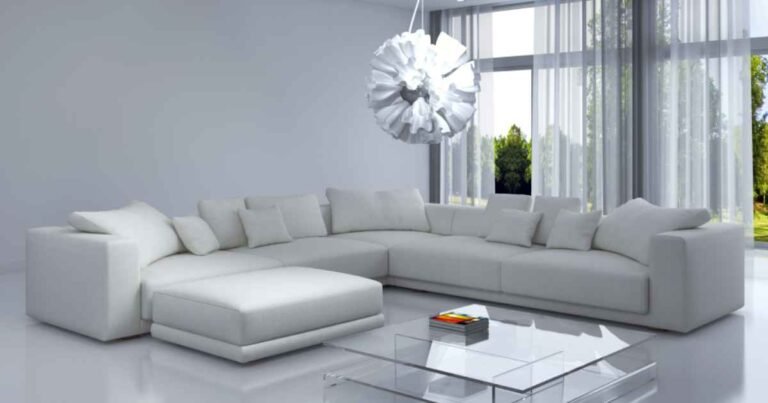
An aquarium in a room reads as one more piece of that room’s decor. A natural aquascape (driftwood, live plants, stones) suits modern, Scandi, or Japandi homes. A brightly themed tank suits kids’ rooms or basement game rooms. A coral-and-reef style suits coastal or beach-house decor. The tank shouldn’t fight the room it lives in.
The 3-layer aquarium decoration method
Every well-decorated home aquarium works in three layers: background, mid-ground, and foreground. The background gives visual depth. The mid-ground carries the focal pieces (driftwood, tall rocks, tall plants). The foreground finishes the composition (low plants, sand, small stones). Skip any layer and the tank reads as unfinished or chaotic.
The three layers explained
- Layer 1 — Background: the back wall of the tank plus any tall elements against it. Matte black background, dark aquasoil at the back, tall plants (Vallisneria, Amazon sword), or a rock wall.
- Layer 2 — Mid-ground: the main visual anchors — driftwood pieces, larger rocks, medium plants (Java fern, Anubias on wood). This is where the eye lands first.
- Layer 3 — Foreground: the finishing touches — low carpet plants, sand, small pebbles, one small feature stone. Keeps the tank feeling grounded and finished.
Every layer needs at least one element. Empty backgrounds read as sterile. Empty mid-grounds read as scattered. Empty foregrounds read as unfinished.
One tank — full decoration in numbers
I helped a friend decorate a 20-gallon planted community tank over two weekends on a $95 budget. The starting point: empty glass, blue gravel, one plastic castle from a previous setup.
Weekend 1 ($55): Removed the old blue gravel entirely, replaced with 15 lbs of natural black aquasoil ($30). Added a black matte background sheet ($8). Bought one medium piece of Malaysian driftwood, pre-soaked ($17).
Weekend 2 ($40): Added six live plants total across three layers: two Amazon sword (background), one Java fern tied to the driftwood (mid-ground), and three Cryptocoryne wendtii (foreground). Sourced from a local aquarium store at $6–$8 each.
Total: $95, two weekends, and a tank that read as intentional home decor. The three-layer structure did the work. Adding all six plants to the middle or back would have looked unbalanced. Distributing them across layers created depth.
Common mistakes when decorating a home aquarium
Most home aquariums look wrong for one of five reasons: mixing too many themes, using bright-colored gravel or ornaments, overcrowding with decor, ignoring fish species needs, or clashing with room style. All are avoidable with 10 minutes of planning before the first ornament goes in.
1. Mixing themes randomly
A pirate ship next to a Buddha statue next to a plastic reef reads as chaos. Pick one direction (natural aquascape, single-theme, or a specific style like ancient ruins) and stay disciplined.
2. Bright colored gravel
Blue, pink, or rainbow gravel dates a tank instantly. Natural sand, brown, black, or gray gravel all age better and let the fish colors stand out.
3. Overcrowding decoration
Fish need swimming space equal to (or greater than) decoration space. Cramming a small tank with 15 ornaments stresses fish and looks cluttered to the eye.
4. Painted or metal ornaments
Any metal in an aquarium eventually corrodes and can poison the water. Cheap painted ornaments leach unknown chemicals. Only aquarium-safe materials go in. The same principle behind cheap decor that reads expensive applies here — material quality matters more than price.
5. Ignoring the room the tank sits in
A hyper-natural aquascape looks strange in a bright children’s room. A bright-themed cartoon tank looks strange in a minimalist modern living room. Match the tank aesthetic to the room’s dominant style.
Reader objection: won’t ornaments harm the fish?
Only if they’re the wrong ornaments. Aquarium-safe materials (natural rock tested for pH, aquarium-tested driftwood, plain terracotta, aquarium-safe ceramics, live plants) are completely fish-safe. Rinsing before adding is standard. The three checks (material, edges, rinse) cover 95% of fish safety. Metal, painted plastic, and untested stone are the actual risks, not ornaments in general.
Reader objection: is a decorated tank harder to clean?
Slightly, but not enough to matter. Weekly cleaning involves siphoning gravel and wiping the glass. Ornaments get lifted out and rinsed in old tank water (never soap) during monthly deep-cleans. A well-decorated tank with proper filtration usually stays cleaner because live plants process waste and fish stress less with hiding spots available.
FAQs
What is the safest material for aquarium ornaments? Natural aquarium-tested stone (Seiryu, Dragon stone, slate), aquarium-tested driftwood (Malaysian, Mopani, spider wood), plain unglazed terracotta, and aquarium-safe ceramics are all fish-safe. Live plants are the safest option of all because they actively improve water quality. Avoid all metal, painted plastic with unknown coatings, limestone, and shell-based rocks.
Can I use household items in a fish tank? Some, with caution. Plain unglazed terracotta pots and food-safe ceramic bowls are usually safe if scrubbed and soaked first. Glass bottles work if edges are smooth. Most other household items either have paint, metal, glue, or coatings that leach into the water. When in doubt, use aquarium-brand products only.
How much decoration does a fish tank need? Enough for the fish to feel secure but not so much that swimming space is lost. A good rule: ornaments and decorations should take up no more than 40–60% of the tank’s visible volume. Fish need clear paths to swim, feed, and interact. Overcrowded tanks stress fish and read as cluttered decor.
Do I need live plants or can I use artificial ones? Both work, but for different reasons. Live plants improve water quality, look most natural, and provide grazing surface for some fish. Silk artificial plants look nearly as good as live and require zero maintenance. Avoid hard plastic plants — they often have sharp edges that damage delicate fin species like bettas and gouramis.
How often should aquarium ornaments be cleaned? Ornaments need a light wipe monthly during regular tank maintenance, and a deeper scrub every 3–6 months depending on algae growth. Always rinse in old tank water, never soap. Boiling water works for sterilizing wood or ceramic if algae becomes stubborn. Live plants need only trimming, not cleaning.
What ornaments should I avoid in a home aquarium? Skip anything metal, anything painted with unknown paint, sharp coral (unless in a saltwater tank where it belongs), limestone rocks in soft-water tanks, and cheap themed ornaments from unknown brands. Also skip anything larger than one-third of your tank’s volume — it dominates visually and reduces fish swimming space too much.
Bringing it all together
Aquarium ornaments and fish tank decoration in the home work when three things line up: fish welfare, safe materials, and thoughtful placement within the room’s overall style. Skip the cartoon castles, commit to natural materials, use the three-layer method, and match the tank aesthetic to the room it lives in.
Pick one direction (natural aquascape, themed but tasteful, or coastal reef) and stay disciplined. A tank done in one clear style with quality materials reads as intentional decor. A tank piled with mismatched impulse buys reads as an afterthought. Start with driftwood, add live plants, and everything else follows.
Stay informed with reliable information—our trusted sources deliver accuracy you can depend on.