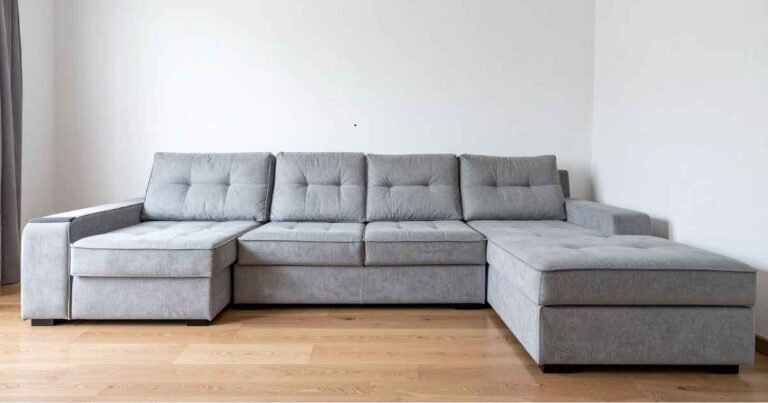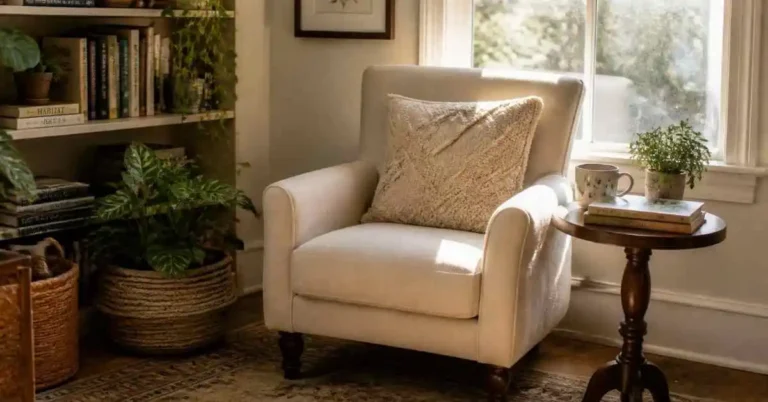
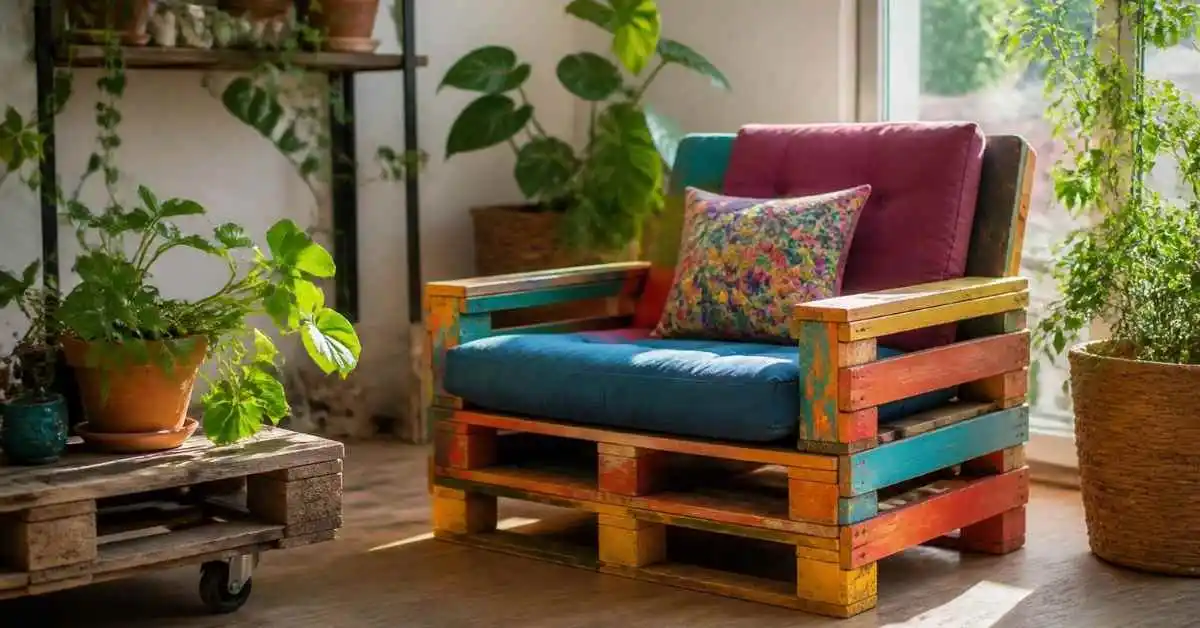
Upcycled furniture ideas for beginners work best when you start with a piece that’s structurally sound and pick a project that matches the tools you already own, rather than jumping straight to the most dramatic transformation you’ve seen online. Most first attempts fail not because of bad paint technique, but because the dresser or chair had a wobble or a cracked joint nobody checked before the sanding started. Below are seven beginner-friendly projects, a chart matching project type to skill level and cost, and the one check I run on every secondhand piece before touching a paintbrush.
Key takeaways:
- Test a piece for structural stability before starting any cosmetic upcycle project.
- Drawer swaps and hardware changes are the lowest-skill entry point for a first project.
- Chalk paint needs a sealant coat to hold up to daily use; skipping it causes chipping within weeks.
- A basic project runs on a modest budget when you already own sandpaper and a paintbrush.
- Solid wood pieces upcycle better than particleboard, which can crumble once sanded.
- Matte black or brushed brass hardware updates a piece faster than a full repaint does.
What counts as upcycled furniture
Upcycling means reworking a piece into something more useful or better looking without stripping it down to raw materials, which sets it apart from restoring or refinishing. A dresser with new hardware and a coat of paint counts as upcycled; sanding it back to bare wood and rebuilding the joints counts as restoring instead.
Upcycling versus refinishing
Refinishing focuses on the original wood, stripping old finish and applying a new stain or clear coat to show the grain. Upcycling is less precious about the original material and often adds paint, new hardware, or a different function, like turning a ladder into a blanket rack.
Upcycling versus full restoration
Restoration repairs structural damage, replaces broken joints, and often aims to return a piece to its original condition. Upcycling assumes the piece is already sound and focuses on cosmetic and functional changes instead, which makes it the faster and cheaper route for a first project.
Beginner-friendly upcycled furniture projects
The projects below all use tools most people already have, a screwdriver, sandpaper, and a paintbrush, and none require woodworking experience to finish well.
Drawer and hardware swap
Swapping worn brass pulls for matte black or brushed nickel hardware changes the entire feel of a dresser in under an hour. Measure the existing hole spacing before ordering new pulls, since mismatched spacing means drilling new holes, which adds a step most beginners want to skip on a first project.
Wood chair reseat
A dining chair with a worn cane or fabric seat can be re-covered with a remnant of linen or bouclé fabric and a staple gun. Cut the fabric with at least 3 inches of overhang on each side to get enough pull for a tight, wrinkle-free finish.
Mirror frame refresh
An old wood-framed mirror gets a full update with a coat of paint or a wrap of thin cane webbing glued around the existing frame. Sand the frame lightly first so the paint or adhesive has something to grip; skipping this step is the most common reason the finish peels within a month.
Stenciled coffee table top
A plain coffee table top takes on a patterned look with painter’s tape and a simple geometric stencil, no freehand painting required. Seal the finished design with a clear topcoat, since a coffee table surface takes more daily wear than a dresser front does.
Cane panel cabinet insert
Swapping solid cabinet door panels for cane webbing lightens the look of a bulky cabinet without replacing the whole piece. Remove the existing panel, cut cane webbing to size, and staple it into the frame from the back, which takes about an hour per door.
Thrifted nightstand color block
Painting the body of a nightstand one color and the drawer fronts a contrasting shade turns a plain secondhand piece into a focal point. A warm greige body with a deep forest green drawer front reads as intentional rather than mismatched, since the contrast follows the piece’s existing lines.
Ladder shelf conversion
An old wooden ladder, leaned against a wall or mounted horizontally, becomes an open shelf for towels or blankets with no cutting required. Sand any rough rungs and add a coat of clear sealant if the ladder will hold anything heavier than folded fabric.
Budgeting tools and time for a first project
The cost and time of a beginner upcycle project depends mostly on whether it needs paint, new hardware, or both, and whether the piece needs sanding before anything else goes on. Simple hardware swaps take under an hour, while a full repaint with sealant can take a full weekend once drying time is factored in.
| Project type | Skill level | Approximate cost | Typical time |
| Hardware swap | Beginner | Budget-friendly | Under 1 hour |
| Chair reseat | Beginner | Budget-friendly | 2 to 3 hours |
| Painted or stenciled top | Beginner to intermediate | Budget-friendly to mid-range | 1 weekend with drying time |
| Cane panel insert | Intermediate | Mid-range | 1 afternoon |
Pro tip: Buy slightly more paint or cane webbing than the project calls for. Running short mid-project usually means an exact color or weave match becomes hard to find later, and the mismatch shows up in the finished piece.
The wobble-first method
Most upcycling guides jump straight to paint and finish. The wobble-first method checks structural soundness before any cosmetic work starts: rock the piece gently to check for leg wobble, press on each joint to check for looseness, and run a hand across the surface to feel for soft or crumbling spots.
I picked up a secondhand dresser for a modest price and upcycled it over one weekend with chalk paint and new matte black pulls. The wobble check caught a loose back leg before I started sanding, and a few wood screws fixed it in about ten minutes. Skipping that check would have meant painting a dresser that wobbled every time a drawer opened.
This check matters less on solid, newer secondhand furniture, where structural issues are rare. It matters most on older pieces with particleboard construction, where a soft or crumbling spot found during the wobble test usually means that piece isn’t a good candidate for upcycling at all.
Common upcycling mistakes for beginners
Skipping the sanding step
Paint applied straight onto a glossy or worn finish tends to chip within weeks, since it has nothing to grip. A light scuff sand, even just enough to dull the shine, gives the new finish something to hold onto.
Choosing particleboard for a first project
Particleboard sands unevenly and can crumble at the edges, which makes it a frustrating choice for a first attempt. Solid wood, even an inexpensive secondhand piece, sands and paints far more predictably.
Isn’t upcycling more expensive than just buying something new?
Usually not, since most beginner projects reuse a piece you already own or one bought secondhand for a modest price, and the main cost is paint, hardware, or fabric rather than a whole new piece of furniture.
Won’t chalk paint just chip off again within a few months?
Not if it’s sealed. Chalk paint holds up well under daily use once a wax or clear topcoat goes over it; skipping that sealant step is the main reason people see chipping soon after finishing a piece.
| Habit | Skip this | Do this instead |
| Prep | Paint directly over a glossy finish | Scuff sand lightly first for grip |
| Piece selection | Choose particleboard for a first project | Choose solid wood for easier sanding and painting |
| Finish | Skip a sealant coat on chalk paint | Add a wax or clear topcoat for daily-use durability |
| Planning | Guess at paint or webbing amounts | Buy slightly extra to avoid a mid-project mismatch |
FAQs
What is the easiest upcycled furniture project for a beginner?
A hardware swap is usually the easiest starting point, since it takes under an hour and needs only a screwdriver and new pulls or knobs.
Do I need to sand furniture before painting it for an upcycle?
Yes, at least a light scuff sand. Skipping this step is the most common reason paint chips or peels within the first few weeks of use.
Is chalk paint good for beginners?
Yes, since it usually doesn’t need a primer coat and covers most surfaces evenly. It does need a wax or clear sealant afterward to hold up to daily use.
How do I know if a secondhand piece is worth upcycling?
Run a quick wobble and joint check first. A piece with a solid frame and no soft or crumbling spots is a good candidate, while heavy structural damage usually isn’t worth the repair time for a first project.
Can particleboard furniture be upcycled?
It can, but it sands and holds paint less predictably than solid wood, and edges can crumble if sanded too aggressively. Solid wood pieces are a more forgiving choice while you’re still building confidence.
Upcycled furniture ideas for beginners work best when the piece is checked for stability first and the project matches the tools already on hand. Start with a hardware swap or a simple repaint, and save the more involved projects for once the basics feel familiar. For more budget-friendly furniture projects like these, HomeDecorIdeas.it.com has a growing library worth exploring.