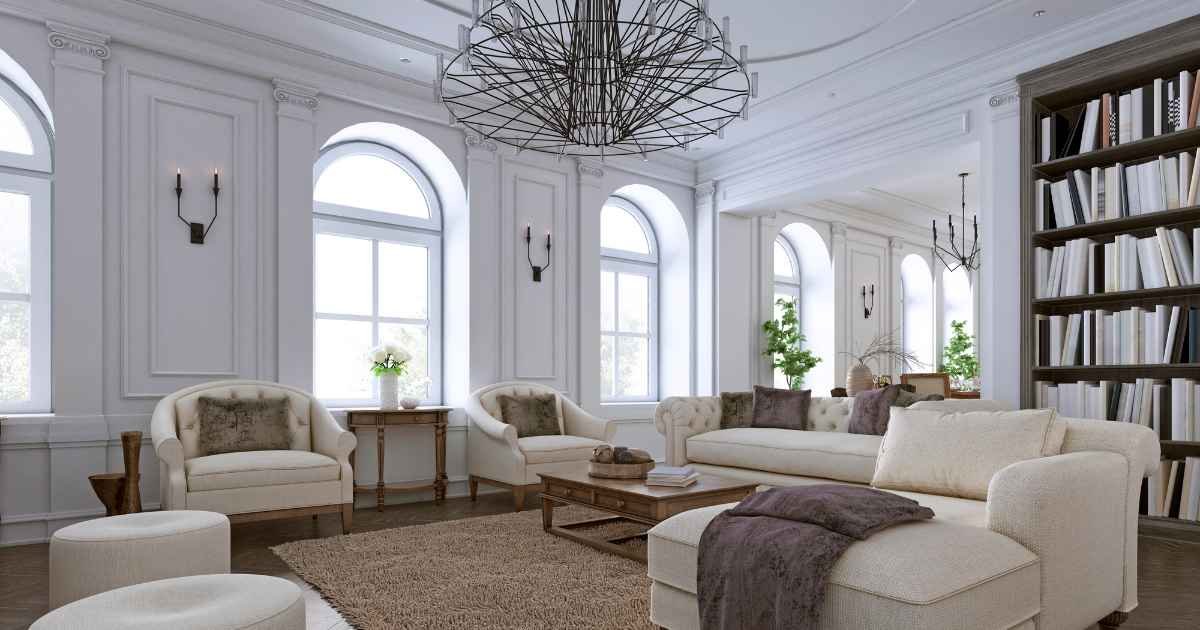
Guest room ideas on a budget work best when you focus on three things in the right sequence: a comfortable place to sleep, practical storage for your guest’s belongings, and small details that show the room was prepared. A spare room with a bare mattress and no window treatment signals to visitors they weren’t expected. You can fix that for well under $200.
There’s one mistake in the lighting section that appears in almost every home. It costs about $24 to correct.
Key takeaways:
- Sleep comfort comes before any decorative upgrade: fix the bed, the light, and the curtains first
- White or neutral layered bedding looks more intentional than a printed set at twice the price
- A 2700K warm lamp on the nightstand changes a room more than any decorative fixture
- A rug, a full-length mirror, and blackout curtains are the highest-ROI purchases in any guest room
- Follow the Sleep-Store-Style method (covered below) to spend in the right order and waste nothing
What actually makes a budget guest room feel welcoming?
The difference between a guest room that feels thoughtful and one that feels abandoned isn’t the price of the furniture. It’s whether the room shows signs of preparation. Three elements drive that feeling, and budget matters less than most people assume. Get these three right and the rest is finishing touches.
Sleep comes first
No decorative upgrade compensates for a bad night’s sleep or a room that fills with light at 6 a.m. A medium-firm foam topper under $60 adds real comfort to an existing mattress. White cotton-blend percale bedding looks clean at any price. These things determine whether guests sleep well, and that’s what they carry home.
Storage gets overlooked
Guests staying more than one night need somewhere for their bag. Without a rack, it ends up on the bed or the floor. A hook on the door, a floating shelf, and a surface at bed height cover the basics. A dresser is ideal; those three are the functional minimum.
Welcoming details cost almost nothing
A small tray with a glass of water, a phone charger, and a couple of books tells guests someone prepared the room. Folded spare towels at the foot of the bed and a reachable lamp are hospitality basics that get remembered long after a new headboard gets ignored.
11 guest room ideas on a budget that actually work
These ideas run from highest impact to most affordable. Each one includes a real measurement, a specific material, or a placement rule, because vague advice doesn’t help anyone decide anything. Start at the top and stop when you’ve reached your budget ceiling.
1. Choose a platform bed frame
Platform frames with wood slats or a powder-coated steel base look more considered than a mattress stacked on a box spring. They also cut the cost of a box spring entirely. Designs in natural pine or matte black exist in most markets for under $150 and turn the bed into a proper visual anchor rather than a placeholder.
2. Layer your bedding instead of buying a matched set
A white cotton-blend duvet cover and flat sheet, plus a textured throw in waffle-knit cotton or a loose-weave linen blend at the foot, looks more intentional than a printed matching set at three times the price. I’ve restyled four guest beds this way and the white-plus-texture approach is consistently what guests mention first.
3. Replace the overhead bulb with a warm lamp
Here’s the lighting mistake. A ceiling fixture with a 5000K daylight bulb gives flat, clinical light that makes a room feel temporary. One table lamp on the nightstand with a 2700K warm white bulb changes the room entirely for around $24.
Two warm sources on opposite sides of the space make it feel genuinely inhabited.
Pro tip: On the night your guests arrive, switch off the overhead and turn on the lamp before they walk in. Most people who’ve only seen the room in ceiling light are surprised by the difference.
4. Hang blackout curtains high and wide
Mount the rod 4–6 inches below the ceiling, not at the window frame. Extend it 6–8 inches past the opening on each side. This raises the visual ceiling height and makes the window appear larger. A neutral linen-look polyester with a blackout lining costs under $40 a panel and softens the acoustics of any hard-floored room.
5. Add a rug under the lower two-thirds of the bed
A 5×7 rug placed so 18–24 inches extend on either side defines the sleep zone without crowding the floor plan. Jute and seagrass are the most budget-friendly options. Flatweave cotton in ivory adds softness underfoot. Low-pile wool reads as quality. The texture under bare feet in the morning matters more than most people expect.
6. Place a full-length mirror on the longest wall
A leaning full-length mirror in the corner opposite the window bounces natural light across the room and creates visual depth. Secondhand mirrors are common, often under $20. A simple frame in natural oak or matte black doesn’t compete with other elements. It also serves the practical purpose guests actually use it for.
7. Build a nightstand from what you already own
Guests need three things at bed height: a lamp or charger, a glass of water, and a surface for their phone. A small wooden stool, a painted crate, or two large hardcover books under a tray all work. A woven rattan basket beside the bed holds books and a spare throw while adding texture.
8. Add a luggage rack
Without a rack, the bag goes on the bed or the floor. A folding wooden rack with canvas webbing costs under $35, keeps the bag off both surfaces, and signals forethought. It folds flat when no one’s visiting. A bench at the foot of the bed does the same job and provides somewhere to sit while putting on shoes.
9. Float a shelf for books and display
One floating shelf at roughly 60 inches from the floor gives guests a surface for a book or a glass. Keep three or four paperbacks on it in mixed genres. A small pothos or a single stem in a matte ceramic bud vase adds life without requiring guest care. The shelf costs under $15 and makes a bare wall look finished.
10. Hang one piece of art, not several
One framed print with the centre at 57 inches from the floor does more for a bare wall than five mismatched pieces arranged in a rush. A secondhand frame with a new print costs under $20. A flat frame in black, white, or natural wood works with almost any palette. Match the print’s tone to the room: warm terracotta for warm spaces; muted sage or grey-blue for cooler ones.
11. Source a secondhand dresser and replace the pulls
A solid wood dresser from a thrift store or marketplace app usually costs $20–$50. Clean it and, if needed, paint it matte white or deep forest green. Replace the pulls with oval handles in matte black or unlacquered brass — under $15 for a set. The result reads as a deliberate choice, and it gives guests somewhere for folded clothes that no amount of hooks can replicate.
What you can realistically achieve at each budget tier
Assuming you already have a bed frame and mattress, the table below maps where to spend your money first and what to expect at each level. Without a bed, a secondhand platform frame and foam mattress can usually be found together for under $200, keeping the full project under $500 total.
| Budget tier | Spend here first | What the room looks and feels like |
|---|---|---|
| Under $100 | Warm lamp, white bedding, blackout curtains | Clean, comfortable, and properly lit — guests sleep well |
| $100–$250 | Rug, luggage rack, floating shelf, one framed print | Looks styled and intentional; functions as a proper guest room |
| $250–$500 | Secondhand dresser (refinished), full-length mirror, mattress topper | Functions like a guest suite; guests have everything they need |
| Over $500 | New platform frame, quality curtains, layered lighting | Hotel-quality result; worth it for rooms with regular guests |
Bed type comparison: which works best on a budget?
| Bed type | Approximate cost | Best for | Key limitation |
|---|---|---|---|
| Platform frame and mattress | $150–$400 | Dedicated guest rooms | Needs the room to stay set up year-round |
| Daybed with bolsters | $100–$250 | Dual-purpose rooms; single guests | Twin width limits comfort for couples |
| Sofa bed (quality) | $400–$800 | Living rooms and studios | Mattress quality varies; always test the mechanism |
| Murphy bed installed | $500–$1,500 | Small rooms with frequent guests | Higher upfront cost; reclaims the floor plan daily |
The Sleep-Store-Style method
Most budget guest room projects fail not because of money but because of order. People buy art and decorative lamps before fixing the window treatment or the mattress. The room ends up looking finished in photos and feeling uncomfortable to sleep in — the opposite of what a guest room should do. This method fixes that by sequencing every dollar.
Step 1 — Sleep: Mattress topper, blackout curtains, warm lamp, white bedding. Spend here before anything visual. These are the only purchases guests notice at midnight and 5 a.m.
Step 2 — Store: Luggage rack, hooks, floating shelf, surface at bed height, and a rail or drawer for clothes. Spend here second. Functional storage prevents the room from feeling cramped regardless of size.
Step 3 — Style: Art, mirror, rug, plants, and objects. These matter — but they come last. They can’t compensate for a room where guests slept badly or couldn’t find a charger.
A real room: 10×12 feet, $243, one weekend
I set up a 10×12 guest room using an existing full-size platform frame and foam mattress, spending $243 over one weekend. Sleep first — white duvet cover set ($52), blackout curtains ($38), table lamp with 2700K bulb ($24), sheer linen panels for the existing rod ($15). Store next — luggage rack ($32), wall hooks ($12), floating shelf with hardware ($14). Style last — flatweave cotton rug ($45), secondhand-framed print ($8), three paperback books ($3).
The single most noticeable change: swapping the ceiling’s 6500K daylight bulb for that $24 warm lamp. Three minutes of work. The room went from feeling like storage between visits to feeling like somewhere a person had prepared.
What mistakes make budget guest rooms look unfinished?
Cheap and unfinished aren’t the same thing. Most budget guest rooms that look wrong have made one of these errors — often a sequencing or editing problem, not a spending one. Every mistake below has a direct fix.
Spending on decor before fixing the basics
A gallery wall over a bed with one flat pillow and a bare overhead bulb reads as confused, not curated. Decor is always the last layer. A room with no art and a good lamp feels better than a room with gallery art and a harsh ceiling fixture.
Using mismatched furniture without a connecting thread
Three pieces in three different finishes create visual noise that pillows can’t fix. Pieces don’t need to match, but they should share something — a wood tone, a leg style, or a finish. I’d take two natural oak pieces and one painted white over three different stains every time. Paint the outlier; it costs $20 and a Saturday morning.
Won’t a daybed look too casual for guests? Not if it’s set up properly. Full bedding, a lamp within reach, and something on the wall behind it makes a daybed read as deliberate furniture. The problem isn’t daybeds — it’s daybeds with one flat pillow shoved against a bare wall with no window treatment nearby.
Leaving the window bare
Bare windows make walls look unfinished and give a room a temporary quality even when everything else is in place. Two curtain panels in ivory cotton or grey linen-look polyester on a standard tension rod are among the highest-impact-per-dollar purchases in any guest room.
Can a very small room still feel comfortable for guests? Yes, with one adjustment. In rooms under 100 square feet with warm-toned hardwood floors, skip the area rug. A rug in a tight space closes it in rather than opens it up. Mount curtains near the ceiling, keep furniture low-profile, and use a mirror on the longest wall.
Guest room checklist:
- Power outlet or USB port within reach of the bed
- Somewhere to hang clothes — one hook works
- A surface at bed height for a phone, glass, and lamp
- Blackout coverage for the window
- A full-length mirror somewhere in the room
- Spare towels visible in the room, not just in a hall closet.
- A glass or carafe of water on the nightstand
- At least one warm light source that isn’t the overhead fixture
FAQs
What is a realistic budget for a guest room? Most people create a welcoming guest room for $150–$300 when they already have a bed frame and mattress. A warm lamp, blackout curtains, and white bedding typically cost under $100 combined and deliver the biggest early change. Starting from scratch with a secondhand bed setup, the full project usually lands between $350 and $500.
How do I make a small guest room feel bigger? Mount the curtain rod 4–6 inches below the ceiling and 6–8 inches wider than the window frame. Use a low-profile platform bed. Place a full-length mirror on the longest wall and keep the colour palette to one or two neutral tones. Use under-bed storage to keep the floor plan open and uncluttered.
What furniture is actually necessary in a guest room? A comfortable bed is the only non-negotiable item. After that, in order of real usefulness: a surface at bed height, somewhere for the bag, and one place to hang clothes. A dresser and a full-length mirror are the most valuable additions, but a hook and a tray cover the basics for a short stay.
How do I make a guest room feel luxurious without spending much? Focus on textiles. A white duvet cover, a firm pillow in a clean case, and a textured throw in waffle-knit cotton or brushed linen create a high-end feel at budget prices. Add blackout curtains, a warm lamp, and a small hospitality tray. Softness and preparation read as luxury before furniture price ever does.
What’s the fastest way to turn a spare room into a guest room? Follow the Sleep-Store-Style sequence: fix what affects sleep first (bedding, a warm lamp, blackout curtains), then add storage (a hook and a luggage rack take about 20 minutes to install), then style the rest. In that order, the room becomes genuinely welcoming over a single weekend. Skipping to decor before sleep is the mistake most budget guest rooms make.
Build it once, get it right
A guest room that works isn’t about expensive furniture. It’s about a room where guests sleep well, find what they need, and feel like someone prepared for their visit. Those three things are achievable on almost any budget if you spend in the right order.
Start with sleep, move to storage, finish with style. And if you want more room-by-room guidance on making spaces work without overspending, HomeDecorIdeas covers practical design from lighting and layout to the finishing details that hold up long term.
Unlock the power of knowledge—explore our best picks that solve real-life puzzles.