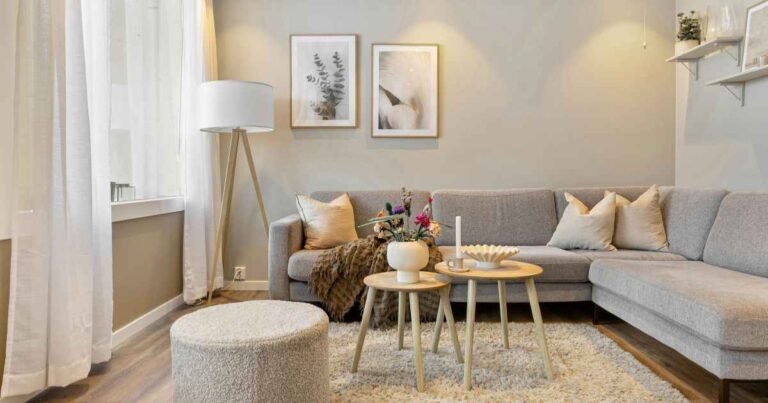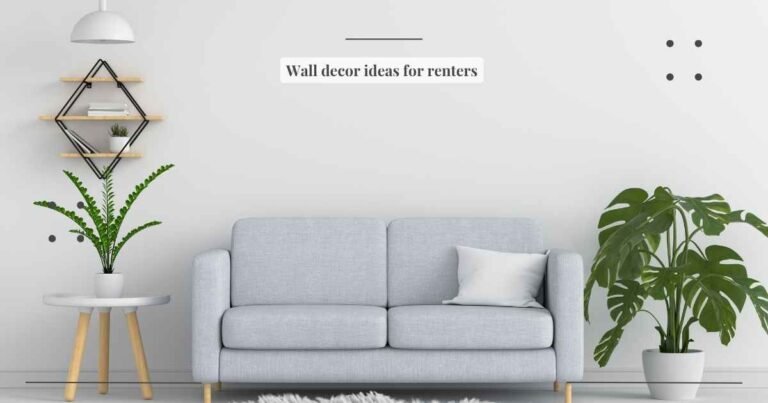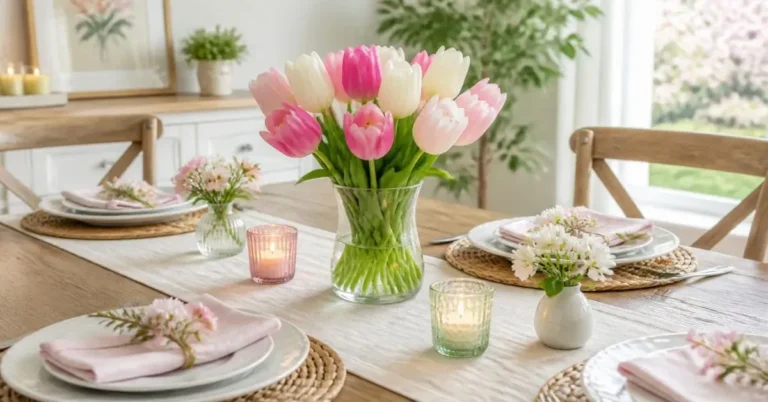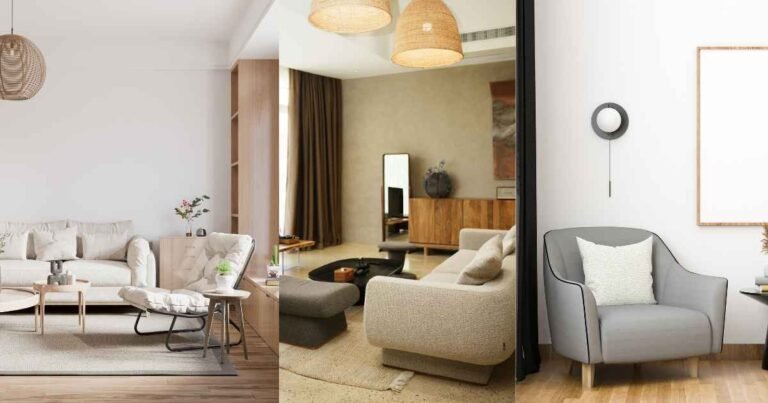
Your first apartment is empty. There’s a mattress on the floor, a lamp from your parents’ basement, and boxes you don’t have the energy to open. The deposit wiped out your savings. You want it to feel like home, but you don’t want to sink money into a place you’ll leave in a year. Home decor ideas for a first apartment need to solve both problems at once: a real living space on a tight budget, using pieces that either move with you or don’t cost enough to mourn. This guide gives you a phased approach. What to buy first, what to skip, and how to make a rental feel like yours without touching the walls. The most common mistake first-time renters make is in the last section, and it wastes hundreds of dollars.
Key takeaways:
- Buy in phases over three to six months, not all at once. Furniture first, decor last.
- Renter-friendly means removable. Command strips, tension rods, peel-and-stick, and portable pieces you take to the next place.
- Lighting fixes rentals faster than furniture. Warm bulbs and layered lamps change any apartment in a weekend.
- Three anchor pieces (bed, seating, dining table) get the biggest share of your budget.
- Storage is decor in a small apartment. Every visible container needs to look intentional.
- Rugs and curtains make a rental feel like home faster than any other single purchase.
What makes decorating a first apartment different
Decorating a first apartment differs from any later move because you’re building from zero on a tight budget, working around a lease you can’t modify, and buying pieces that need to survive at least one relocation. Every decision balances style against portability, cost, and what your landlord will actually allow.
Most guides ignore this reality. They show a styled photo of a designer’s studio and call it a “starter apartment” makeover. Real first apartments have popcorn ceilings, beige walls, mismatched fixtures, and a kitchen sink you can’t replace. The decor plan has to work around all of that, not pretend it doesn’t exist.
The budget reality most first apartments face
A realistic first apartment budget after deposit, first month, and moving costs sits somewhere between $500 and $2,500 for furniture and decor. Trying to fully furnish on that number in one weekend leads to bad decisions and buyer’s remorse. A phased approach spreads the spend, gives you time to notice what you actually need, and lets each purchase earn its place.
Renter restrictions to plan around
Standard leases restrict painting, drilling, and any permanent changes. Some ban wall-mounted shelves, curtain rods over a certain size, or adhesives that might peel paint. Read your lease before buying anything that touches a wall. Every idea in this guide works within standard rental rules or has a damage-free alternative next to it.
Damage-free wall decor comparison:
| Method | Best for | Weight capacity | Removal | Cost |
|---|---|---|---|---|
| Command strips (small) | Frames under 4 lbs | 4 lbs per pair | Clean, no residue | Under $10 pack |
| Command strips (large) | Mirrors, larger frames | Up to 16 lbs per set | Clean, no residue | Under $15 pack |
| Adhesive hooks | Coats, keys, small decor | 3 to 5 lbs each | Clean, no residue | $2 to $5 each |
| Tension rods | Curtains, closet dividers | Up to 20 lbs | No damage | $10 to $25 |
| Peel-and-stick vinyl | Feature walls, backsplash | N/A | Comes off cleanly | $20 to $50 per roll |
| Leaning frames | Large art, floor mirrors | Any weight | No mounting | Frame cost only |
Buying for now versus buying for later
Every first apartment purchase falls into one of three categories. Investment pieces, like a decent bed frame or a real dining chair, come with you to the next apartment and the one after that. Bridge pieces, like a $100 sofa or a bookshelf from a flat-pack store, get you through one or two moves before falling apart. Consumables, like curtains, throw pillows, and small decor, are meant to be replaced when your style shifts.
Spend the most on investment pieces. Spend the least on consumables. Bridge pieces are the ones people over-invest in and regret.
15 home decor ideas for a first apartment that work on any budget
These home decor ideas for a first apartment focus on immediate visual impact, damage-free installation, and portability. Each works whether you’re in a studio, a one-bedroom, or sharing an apartment, and none require landlord permission or a large budget.
1. Start with the bed frame, not the mattress
The bed takes up the most visual and physical space in any apartment, especially in a studio where it’s visible from every angle. Skip the mattress-on-the-floor phase as fast as your budget allows.
A basic metal frame runs $50 to $150 and lifts the whole room. Add a real headboard, even a $40 fabric one, and the space reads as intentional instead of temporary. Leg-visible frames make rooms feel larger by letting light travel underneath.
2. Add layered lighting before more furniture
Rental ceiling fixtures are almost always harsh, cool-white, and unflattering. Change every bulb to 2700K warm white and add at least two lamps per main room. One floor lamp near seating, one table lamp on a nightstand or side table.
Under $100 total for a change that beats any single piece of furniture. This is the single fastest fix you can make.
3. One large rug beats three small ones
A rug defines a zone in a way nothing else does, which matters most in open-plan first apartments or studios. Buy the largest rug your space and budget allow.
In a living area, the front legs of the sofa should sit on the rug at minimum. Under-bed, extend the rug at least 18 inches on either side of the mattress. Small rugs floating in the middle of a room make the whole space feel chopped up.
4. Hang curtains high, and let them touch the floor
Landlord curtain rods (if any) are almost always installed too low and too short. Buy your own rod and hang it 4 to 6 inches above the window frame, or higher, close to the ceiling if allowed. Curtains should skim or just kiss the floor.
This one change makes rental windows look twice as tall and adds a softness the room needs. Linen or heavy cotton in an oatmeal or warm off-white tone works with any style.
5. Buy a real dining table, even in a studio
Skipping the dining table is the biggest regret most first-apartment renters have twelve months in. Even in a studio, a small round table (30 to 36 inches wide) doubles as a work surface, a desk, and a place to actually eat instead of hunching over the coffee table.
Real wood tops age well and move with you. Fold-down wall tables work in the smallest spaces.
6. Use Command Strips for everything on walls
Standard command strips hold up to 4 pounds each per pair. Two pairs handle a small framed print. Four pairs handle a mirror up to 16 pounds.
For anything heavier, use adhesive picture hangers rated for the weight, or lean pieces against the wall instead of mounting them. Nothing damages a rental wall, and everything comes down cleanly at move-out.
7. Choose seating that folds, stacks, or nests
A small first apartment doesn’t have room for permanent extra chairs. Look for folding dining chairs that hang on a wall hook, stools that stack, or nesting side tables that pull apart when guests come.
Rattan folding chairs, oak stools, and canvas director’s chairs all look intentional when open and disappear when closed.
8. Add plants only where you get real light
One plant does more for a room than three fake ones. Match the plant to the light you actually have.
Snake plants and pothos handle low light. Fiddle leaf figs and rubber plants need bright indirect light. Cactus and succulents need direct sun.
Buy one plant in a container that costs at least as much as the plant. Skip the tiny succulents on every surface.
9. Storage should double as decor
Visible storage in a small apartment is unavoidable, so make it look intentional. Matching woven baskets on top of a wardrobe. A vintage trunk that works as a coffee table with storage inside.
Open bookshelves styled with 70% empty space, 30% books and objects. Every storage container the eye can see should either match the others or be genuinely beautiful on its own.
10. Peel-and-stick for kitchens and bathrooms
The two rooms with the ugliest rental finishes are usually the kitchen and bathroom. Peel-and-stick vinyl tile changes a backsplash for under $50 and removes cleanly when you move.
Removable wallpaper handles small feature walls or the back of a bookshelf. Adhesive countertop film covers dated laminate temporarily. All three come off without damage if you follow the instructions.
11. Textiles carry the whole style budget
When furniture is basic and walls are locked in, textiles do all the styling work. Curtains, rugs, bedding, throw pillows, blankets on the sofa.
Pick a two-color palette (a neutral plus one accent) and buy every textile in that palette. This creates instant cohesion in a room where the furniture came from five different places.
12. Mirrors are the cheapest square-footage hack
A large mirror opposite a window doubles the visual light in a room and makes the space feel roughly twice as large. Lean a full-length mirror against the wall instead of drilling.
Choose a mirror at least 30 inches wide for the main living area. Vintage mirrors from thrift stores often beat new ones and cost less.
13. Pick a signature scent for the apartment
Scent shapes how a space feels more than most decor. Choose one signature scent (a candle, an oil diffuser, a specific incense) and stay consistent.
Guests notice, and the apartment feels like a real home instead of an empty room. Cedar, sandalwood, and fig are calm choices that don’t overwhelm. Avoid rotating through five competing scents.
14. Use a room divider for a studio
A studio needs at least one visual break between the bed and the living area. A tall bookshelf turned sideways works. A folding wooden screen (60 to 72 inches tall) works.
Even a heavy floor-to-ceiling curtain on a tension rod works. This one addition changes how a studio feels from a bedroom with a couch to a real one-room apartment with defined zones.
15. Buy one nice piece per room, everything else can be cheap
Every room needs one hero piece that gets a bigger share of the budget. A solid wood dining table, a real leather armchair, a good bed frame, a large piece of original art.
Everything else can be flat-pack, thrifted, or hand-me-down. The hero piece anchors the room and makes the cheap pieces around it look better by association.
Room-by-room budget breakdown for a first apartment
A first apartment usually breaks down into four decorating zones: bedroom, living area, kitchen, and bathroom. Each has different priorities and different spending needs. Here’s what to prioritize in each, with realistic starter budgets that work across most markets.
Bedroom
Priority order: bed frame, warm bulbs, curtains, rug, one piece of art. A bedroom looks finished with just these five things. Skip the matching furniture set.
A basic metal or wood frame, a $30 fabric headboard, a floor lamp with a warm bulb, and linen bedding in a solid color read as intentional even in a bare rental.
Living area
Priority order: seating, rug, lighting, coffee table, curtains. Start with one comfortable place to sit. A single armchair or loveseat beats a cheap oversized sofa in a small apartment.
Add the rug before the coffee table. Choose a coffee table with visible legs and a solid top in wood, marble, or matte metal.
Kitchen
Kitchens in first apartments are usually the least decorated. Focus on the counter. Clear 70% of every surface.
Keep only what you use daily out: a kettle, a knife block, a fruit bowl. Add a small plant or vase, a nice tea towel, one framed print if there’s wall space. Under $50 changes the whole feel.
Bathroom
The smallest room usually gets the least attention, but a coordinated bathroom takes maybe an hour to style. Matching towels in one color. A single plant if there’s a window.
One framed print. A woven basket for extra rolls or products. Skip the plastic organizers that show through clear shower caddies.
Home office corner
Working from home in a first apartment usually means carving a corner out of the living area or bedroom. Pick a corner with real light.
Add a small desk (30 to 40 inches wide is enough), a supportive chair, a single desk lamp, and a cable management tray. Nothing else. Every additional item in a work corner steals attention from the work.
First apartment starter budget by tier
Here’s a realistic breakdown of what a full first apartment costs across three budget tiers. All figures use durable ranges rather than specific product prices.
| Room | Entry budget | Mid-range | Premium |
|---|---|---|---|
| Bedroom (frame, bedding, lamp, curtains, rug) | $300 to $500 | $600 to $1,200 | $1,500+ |
| Living area (seating, rug, lighting, table) | $400 to $700 | $900 to $2,000 | $2,500+ |
| Kitchen (small decor, textiles, plant) | $30 to $60 | $80 to $150 | $200+ |
| Bathroom (towels, basket, art, plant) | $40 to $80 | $100 to $200 | $250+ |
| Home office corner (desk, chair, lamp) | $150 to $300 | $400 to $700 | $900+ |
| Total | $920 to $1,640 | $2,080 to $4,250 | $5,350+ |
Pro tip: Save the highest-quality single item for the bedroom, not the living room. Guests see the living area, but you spend a third of your life in the bedroom. A good mattress and a solid bed frame pay back every night for years.
The 3-Layer First Apartment Method
The 3-Layer First Apartment Method organizes home decor ideas for a first apartment into three phases: Foundation (weeks 1 to 2), Comfort (weeks 3 to 6), and Personality (month 2 onward). Each layer builds on the last, prevents impulse buying, and matches the natural pace of a real budget instead of trying to finish everything at once.
Layer 1: Foundation (weeks 1 to 2)
Foundation covers the pieces you can’t live without. A bed frame, a mattress, one place to sit that isn’t the bed, one place to eat that isn’t the floor, warm bulbs in every fixture, and one large rug for the main room. That’s the entire list.
Nothing else gets bought until this is done. Foundation is usually about 50 to 60% of the total decor budget.
Week 1 first apartment checklist:
- Change every bulb to 2700K warm white
- Measure every doorway, hallway, and main room
- Buy a bed frame (metal or wood, $50 to $150)
- Order one large rug for the main living area
- Set up one seating spot that isn’t the bed
- Add curtains to at least one main window
Layer 2: Comfort (weeks 3 to 6)
Comfort covers the pieces that make daily life easier. Curtains on every window. Storage for coats, shoes, and kitchen odds and ends. A second light source in each room.
Basic kitchen and bathroom textiles. A desk if you work from home. Once Layer 2 is done, the apartment works. It might not look styled yet, but it’s functional.
Layer 3: Personality (month 2 onward)
Personality is where the apartment starts to feel like yours. Art on the walls, plants, decorative objects, throw pillows, candles, the small pieces that turn a functional apartment into a home. This layer never really finishes.
You add to it slowly over months and years as you find pieces you love.
A real example: a 400 sq ft studio on a $600 budget
I furnished and decorated a 400 sq ft studio apartment on a $600 budget over two months using nothing but the 3-Layer method.
Layer 1 (about $380): a basic metal bed frame ($90), a queen mattress on sale ($220), a folding dining table for two ($50), two secondhand dining chairs ($20 total from a thrift store).
Layer 2 (about $150): linen curtains for two windows ($60), a 5×8 wool-look rug ($50), a warm-toned floor lamp ($30), warm bulbs for every fixture ($10).
Layer 3 (about $70): three framed prints for a small wall gallery ($30), a large snake plant ($25), a woven basket for laundry ($15). That was it.
The studio didn’t look like a magazine spread at the end. It looked like a home.
The pieces that changed the space most weren’t the furniture, they were the curtains, the warm bulbs, and the rug. Together those three items cost $120 and did more than any single piece of furniture I bought.
Common first apartment decorating mistakes and how to fix them
Most first apartments look unfinished not because of budget but because of predictable mistakes. Each of these has a fix that costs little or nothing, and avoiding them separates a lived-in apartment from a cluttered one.
Mistake 1: Buying everything in the first week
Fix: use the 3-Layer method. Foundation first, then Comfort, then Personality. Panic-buying in the first week leads to keeping pieces you don’t love because you already spent the money.
Mistake 2: Skipping window treatments
Fix: hang basic curtains within the first month. Bare windows make an apartment feel unfinished, expose you to street light, and remove any control over morning sun. Even cheap linen-look panels from a flat-pack store fix the problem.
Mistake 3: Ignoring lighting until last
Fix: change every bulb in the first week. Warm 2700K bulbs and two lamps per main room cost under $100 total and fix more atmospheric problems than any furniture purchase.
Mistake 4: Buying furniture too big for the space
Fix: measure every doorway, hallway, and room before buying. A “small” sofa listed at 78 inches doesn’t fit in an apartment with a 72-inch wall. Leave at least 30 inches between the sofa and coffee table.
Mistake 5: Cluttering walls with too many small frames
Fix: choose one large piece over five small ones per wall. Small frames scattered across a big blank wall create visual noise. A single 30-inch print anchors a wall better and costs about the same.
Mistake 6: Choosing decor before measuring
Fix: buy a $5 tape measure and use it before every purchase. Rug too small, curtains too short, table too wide are the three most expensive mistakes first renters make. All three come from skipping the measure step.
Mistake 7: Forgetting the entryway
This is the mistake almost every first renter makes, and it’s the one hidden at the end of this guide. The area right inside the front door sets the tone for the whole apartment. Skip it, and the rest of the space feels like it belongs to someone else.
Add three things: a small hook rail (or command hooks) for coats and keys, a tray or basket for shoes, and a small mirror. Under $50 total. The apartment feels like yours the moment you fix this.
The two objections first-time renters always raise
Won’t landlord restrictions ruin any decor plan? Not with damage-free solutions. Command strips, tension rods, peel-and-stick vinyl, adhesive hooks, and leaning frames handle 90% of standard decor needs without a single drill hole. The remaining 10% (heavy mirrors, permanent shelving) can be swapped for lighter alternatives. Every idea in this guide works within a standard rental agreement.
Isn’t it worth waiting until I own to invest in decor? Waiting is the more expensive choice. You’ll live in rentals for years, and every year in an unstyled apartment is a year without a home that feels like yours. Focus your spend on portable investment pieces (a good bed frame, a real dining table, quality art) that move with you. These pieces cost the same whether you buy now or later.
FAQs
How much should I budget for decorating a first apartment?
Plan for $900 to $4,000 total across furniture and decor, spread over three to six months. Studios sit at the lower end, one-bedrooms at the higher end. Spend more on the bed and one hero piece per room. Cheap curtains, throw pillows, and small objects can be replaced when your taste shifts.
What should I buy first for my first apartment?
Buy the bed frame first, followed by warm bulbs for every fixture, one large rug for the main living area, and basic curtains for the windows you look at most. These four purchases usually total under $500 and change the feel of an empty apartment more than any furniture set. Everything else can wait.
How do I decorate a first apartment without damaging walls?
Use command strips for anything under 16 pounds, tension rods for curtains and closet organizers, leaning frames for large art, and peel-and-stick vinyl for small feature walls. Read your lease first for specific rules. A single command strip pack costs under $10 and handles most standard wall decor without any damage at move-out.
Can I make a rental feel like a home?
Yes, and it takes less than most people think. Warm lighting, floor-length curtains, one large rug, and a signature scent do more than any furniture. The pieces you can’t change (walls, floors, fixtures) matter less once these four elements are in place. Renters underestimate how much softening the light and adding textiles change a space.
How do I decorate a small first apartment on a tight budget?
Buy fewer, better pieces. One large mirror instead of five small frames. One good chair instead of two cheap ones. One statement plant instead of six small succulents. Small apartments look more expensive when they contain fewer items with more visual weight. Save on flat-pack storage, spend on the pieces you touch every day.
What decor mistakes should I avoid in a first apartment?
Avoid buying everything in the first week, skipping window treatments, ignoring lighting, buying furniture without measuring, and forgetting the entryway. Each of these mistakes costs hundreds to fix later. A slow phased approach with a tape measure prevents almost all of them.
Bringing it together
Home decor ideas for a first apartment work best when you treat them as a phased plan, not a shopping list. Warm lighting, floor-length curtains, one large rug, and one hero piece per room build a real home out of a bare rental. The 3-Layer method spreads the budget across months so you never waste money on pieces you don’t love.
Start with Layer 1 this week. Change every bulb, order curtains, and measure your main room before buying anything else. The apartment will feel different within a weekend.
For more room-by-room styling guides, rental-friendly decor breakdowns, and small-space furniture picks, explore the rest of HomeDecorIdeas. A good first apartment sets the template for every home you make after it.